
Stop Saving Your Life for Someday: How to Start Taking Vacations, Having Experiences, and Living Now
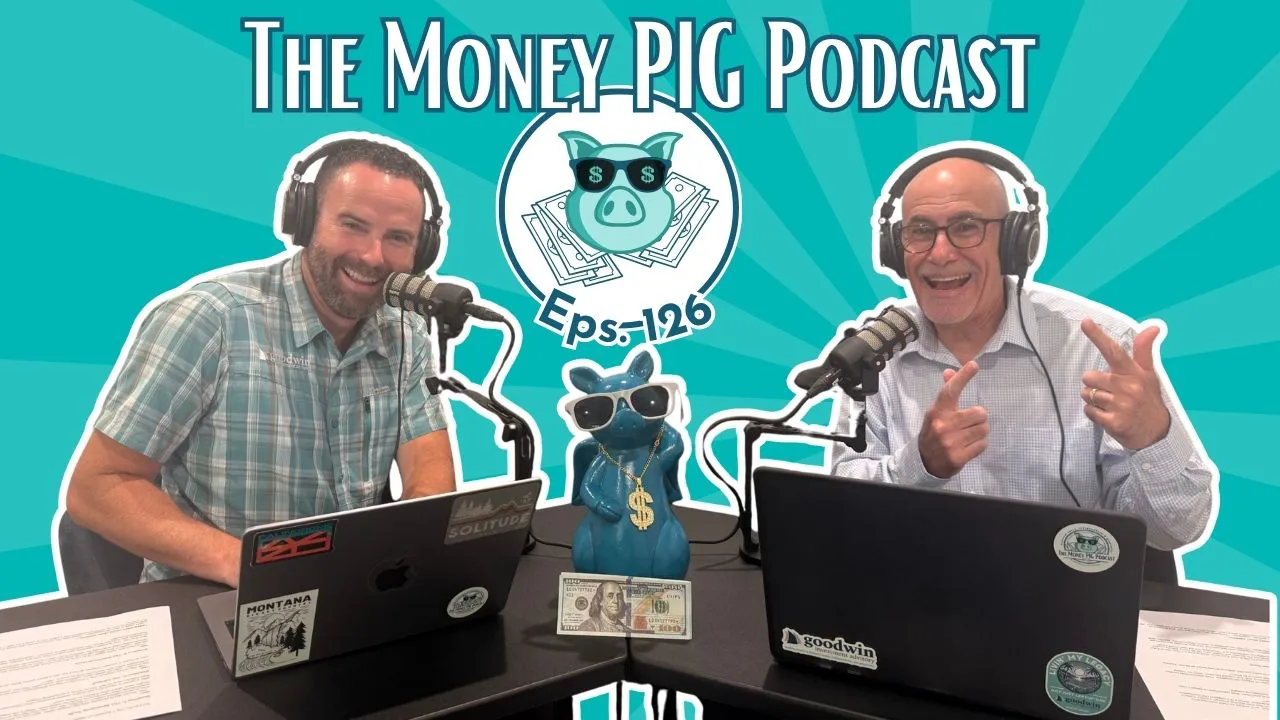
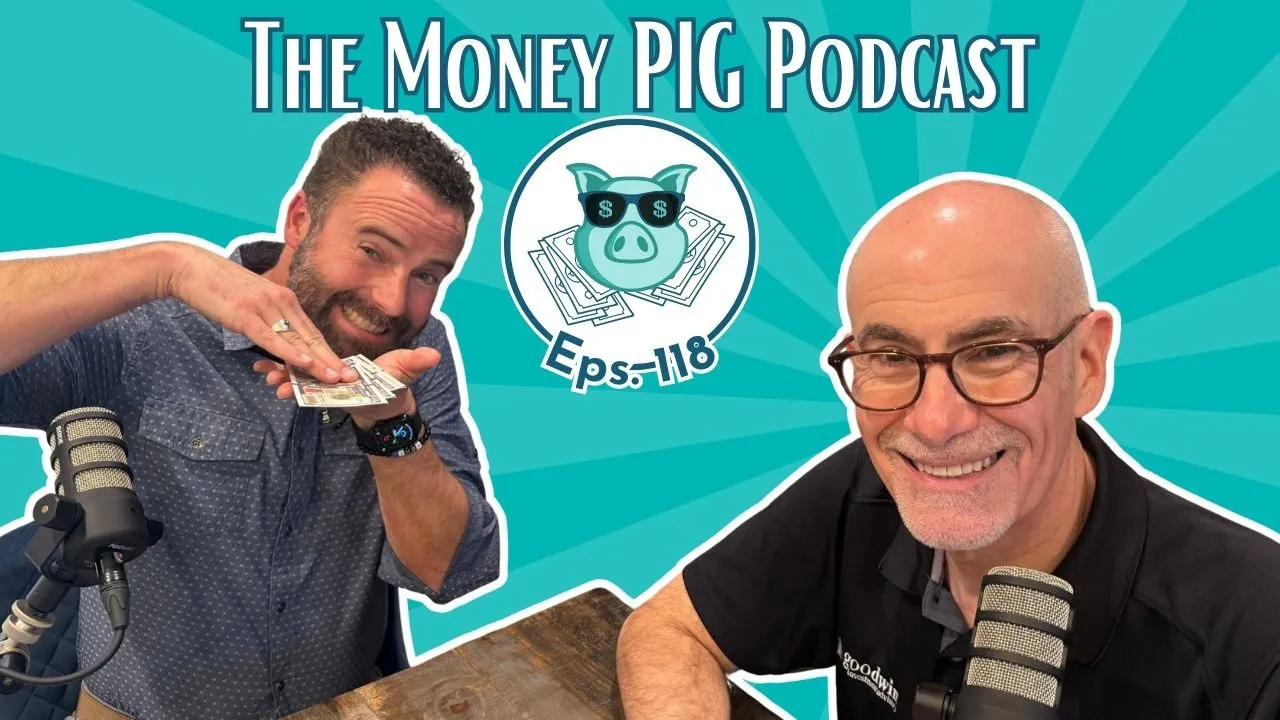
In episode #118, “What’s the Point of Money If You Never Enjoy It?”, Tim and Joe explore a question many diligent savers and high earners eventually face: what is the point of building wealth if you never actually use it to enjoy your life? They explain that many financially successful people struggle to spend because their entire identity has been built around working hard, living below their means, and saving consistently. That formula helped them build wealth, but it can also create a scarcity mindset where spending feels uncomfortable—even when they can clearly afford it. For anyone wrestling with how to enjoy money without guilt or wondering why saving feels easier than spending, this episode hits home.
A major theme in the episode is that money should be a tool for both security and enjoyment. Tim Goodwin and Joe Beckford talk about how fear, uncertainty about the future, comparison, and childhood beliefs about money often keep people from using their wealth in meaningful ways. They point out that many people keep pushing joy into the future with thoughts like, “I’ll relax when I retire,” or “just a few more years.” But life is uncertain, and waiting too long can mean missing the healthiest, most active years of retirement. Their message is clear: financial freedom is not just about accumulating money, but about using it wisely to create experiences, peace of mind, and a life you actually enjoy.
The conversation also highlights practical signs that you may be saving too much and enjoying life too little. If you never take vacations, always choose the cheapest option even when you do not need to, feel anxious about spending, or let work drain all your energy before your family gets what is left, those may be warning signs. Tim and Joe encourage listeners to think in terms of retirement lifestyle planning, not just retirement account balances. They describe the “go-go, go-slow, and no-go” stages of retirement, explaining that the early years of retirement are often when people have the best combination of time, money, and health. That is why they encourage intentional spending during those years, especially on travel, family memories, and meaningful experiences.
Ultimately, this episode is a reminder that retirement planning is not only about making sure your money lasts, but also about making sure your life counts. Tim and Joe challenge listeners to stop constantly moving the goalpost and instead define what they are retiring to, not just what they are retiring from. They share examples of helping clients build plans that give them permission to spend, take sabbaticals, travel more, and enjoy the life they worked hard to build. If you have ever wondered when to stop saving, how to enjoy your retirement, or how to spend money with confidence, this episode offers both financial perspective and a timely push to go make the memories while you still can.
https://www.goodwininvestment.com/how-to-run-out-of-money-in-retirement/
https://www.goodwininvestment.com/living-richly/
https://www.goodwininvestment.com/living-luxuriously-3-ways-millionaires-enjoy-their-full-retirement/
Andy Stanley – Choosing to Cheat: Who Wins When Family & Work Collide?
The following transcript of the podcast audio was software-generated, and not reviewed for accuracy. Therefore, the transcript below should not be used without verifying the validity and accuracy of its content. Please contact Goodwin Investment Advisory with any questions.
Tim (00:01)
Welcome back to the Money Pig Podcast. We are your hosts. Tim Goodwin. Oh, sorry. And Joe Beckford. What’s up? Welcome back. How’s it going, Joe? Fan. Fantastic. That’s awesome. Today’s title of our episode is what is the point of money if you never enjoy it, which we love to talk about this. Ooh. You mean like these? Enjoying those big dollar bills, those Benjamins. Benjamins. I think you should just make it rain right now on the camera.
Joe (00:01)
Welcome back to the Money Pig Podcast. We are your hosts. Tim Goodwin. Oh, sorry. And Joe Beckford. What’s up? Welcome back. How’s it going, Joe? Fan. Fantastic. That’s awesome. Today’s title of our episode is what is the point of money if you never enjoy it, which we love to talk about this. Ooh. You mean like these? Enjoying those big dollar bills, those Benjamins. Benjamins. I think you should just make it rain right now on the camera.
Tim (00:31)
Can you do it? Make it rain? need your like dollar shooter. Yeah, you gotta have that dollar gun. Let’s see. No, I can’t do it. I’m terrible at it. For those of you just only listening at home, he just threw a stack of fake hundred dollar bills. Yeah, and it didn’t go very far. So excited to talk about this topic today. But Joe, before we do, my wife the other day, she told me to stop singing. I’m a believer or she’d leave me.
Joe (00:31)
Can you do it? Make it rain? need your like dollar shooter. Yeah, you gotta have that dollar gun. Let’s see. No, I can’t do it. I’m terrible at it. For those of you just only listening at home, he just threw a stack of fake hundred dollar bills. Yeah, and it didn’t go very far. So excited to talk about this topic today. But Joe, before we do, my wife the other day, she told me to stop singing. I’m a believer or she’d leave me.
Tim (01:00)
I thought she was kidding, but then I saw her face. I’m a bully. That’s, that’s nice. That’s nice. You know, a friend of mine, when I was telling him about how your dad jokes and how I have to listen to your dad jokes and stuff, and he goes, well, you know, it could be worse. You could be stuck in an underground hole full of water. my, I know we met well. He met well. ⁓ my gosh. ⁓
Joe (01:00)
I thought she was kidding, but then I saw her face. I’m a bully. That’s, that’s nice. That’s nice. You know, a friend of mine, when I was telling him about how your dad jokes and how I have to listen to your dad jokes and stuff, and he goes, well, you know, it could be worse. You could be stuck in an underground hole full of water. my, I know we met well. He met well. ⁓ my gosh. ⁓
Tim (01:29)
I like how you put the context in the story. I’m trying. I’m always about making connections. It’s a pro move, man. It’s pro move. Yeah. How’s it going? What’s going on in your life? Anything interesting? That’s really hard. You ask questions like that. I know. And then we try to keep these evergreen, right? Like, you guys listen to other podcasts besides ours? I mean, it’s OK. None of them are as good as ours, but it’s possible. So you listen to another podcast and they’re like, oh, these are evergreen episodes. They always last. And then they’re like,
Joe (01:29)
I like how you put the context in the story. I’m trying. I’m always about making connections. It’s a pro move, man. It’s pro move. Yeah. How’s it going? What’s going on in your life? Anything interesting? That’s really hard. You ask questions like that. I know. And then we try to keep these evergreen, right? Like, you guys listen to other podcasts besides ours? I mean, it’s OK. None of them are as good as ours, but it’s possible. So you listen to another podcast and they’re like, oh, these are evergreen episodes. They always last. And then they’re like,
Tim (01:59)
But we’re really filming in December and you’re not gonna see it till February. those are hard. So you ask me stuff and I’m like, I tell you what’s happening now and then by the time this is released, that’s like long time in the past. So I don’t know, got a big trip coming up. Going to New York this weekend. Pretty exciting. Yeah, that’s interesting. That’s fantastic. By the time this airs, I’ll already be back. Yeah, that’s right. New York’s a fun place to go. I think so. What are favorite things about New York? Pizza. New York City.
Joe (01:59)
But we’re really filming in December and you’re not gonna see it till February. those are hard. So you ask me stuff and I’m like, I tell you what’s happening now and then by the time this is released, that’s like long time in the past. So I don’t know, got a big trip coming up. Going to New York this weekend. Pretty that’s interesting. That’s fantastic. ⁓ By the time this airs, I’ll already be back. Yeah, that’s right. New York’s a fun place to go. I think so. What are favorite things about New York? Pizza. New York City.
Pizza. Come on, the food scene. The food scene. The food scene. Yeah, the food scene. I like being able to walk everywhere. Yeah. Not having to get in car because driving in New York is kind of nerve wracking, right? super expensive. Get your steps in. The food scene. And I like shows. We like to do shows. What’s the show that you said you were going to see? Wicked. Wicked. Yeah. Never saw Wicked. Come on. Do you all usually make an intentional stop at Central Park? Not always, but sometimes.
Tim (02:27)
Pizza. Come on, the food scene. The food scene. The food scene. Yeah, the food scene. I like being able to walk everywhere. Yeah. Not having to get in car because driving in New York is kind of nerve wracking, right? super expensive. Get your steps in. The food scene. And I like shows. We like to do shows. What’s the show that you said you were going to see? Wicked. Wicked. Yeah. Never saw Wicked. Come on. Do y’all usually make an intentional stop at Central Park? Not always, but sometimes.
I saw when it like snowed there over the winter that Sean White like ended up doing some stuff. They’re Sean White. it was him. Who knows? It could have been AI on my Instagram reel. But I thought that was pretty cool. That was really him. So yeah, very cool. I hope you guys have a blast in New York. So let’s jump into what’s the point ⁓ of money if you never enjoy it, which is like, yeah, like, I don’t know what is the point of if you never enjoy it. Yeah. So Joe, let’s just kind of like,
Joe (02:57)
I saw when it like snowed there over the winter that Sean White like ended up doing some show for some reason. They’re like, Sean White. And it was him. Who knows? It could have been AI on my Instagram reel. But I thought that was pretty cool. That was really him. So yeah, very cool. I hope you guys have a blast in New York. So let’s jump into what’s the point ⁓ of money if you never enjoy it, which is like, yeah, like, I don’t know what is the point of if you never enjoy it. Yeah. So Joe, let’s just kind of like,
Tim (03:27)
Unpack that a little bit. Why do you so many successful people struggle to enjoy their money? Even when they can afford to even when they’ve got a bunch So what I’ve seen is a lot of people Most of the people who have money by that time they are hard workers, right? They’re smart workers They live below their means and the reason they have a lot of money now is because they’ve done that their whole lives, right? So they know work save work
Joe (03:27)
Unpack that little bit. Why do you so many successful people struggle to enjoy their money? Even when they can afford to even when they’ve got a bunch Deal so what I’ve seen is a lot of people Most of the people who have money by that time they are hard workers, right? They’re smart workers They live below their means and the reason they have a lot of money now is because they’ve done that their whole lives, right? So they know work save work
Tim (03:56)
Save, work, save, work, save, work, save. it’s this, and their identity becomes I’m a worker, I’m a saver, I’m successful, that formula works. That’s gotten me a lot of money. Now I’m asking them potentially, like when we talk about how do we get you to retire? One thing that a lot of people struggle with is I’m asking you to change your normal MO from working and saving to not working and spending. And that’s like, wait.
Joe (03:56)
Save, work, save, work, save, work, save. it’s this, and their identity becomes I’m a worker, I’m a saver, I’m successful, that formula works. That’s gotten me a lot of money. Now I’m asking them potentially, like when we talk about how do we get you to retire? One thing that a lot of people struggle with is I’m asking you to change your normal MO from working and saving to not working and spending. And that’s like, wait.
Tim (04:25)
you’re asking me to learn like Chinese today. I to spend this money. I’ve only been saving. What does that even mean? It’s like it doesn’t compute. So it’s like they haven’t eased into it. so it’s yeah, if they’re if they’re not used to that, and they’ve lived frugally always like it just it doesn’t compute. Well, and I think to I mean, why are you always
Joe (04:25)
you’re asking me to learn like Chinese today. I to spend this money. I’ve only been saving. What does that even mean? It’s like it doesn’t compute. So it’s like they haven’t eased into it. so it’s yeah, if they’re if they’re not used to that, and they’ve lived frugally always like it just it doesn’t compute. Well, and I think to I mean, why are you always
Tim (04:48)
hearing about this concept between having a scarcity mindset and an abundance mindset. Especially when you’re looking at money, it is finite, it’s easy to have scarcity. I think that’s an issue. Not knowing if you have enough, you just don’t know. How much is enough, Joe? A little bit more. Just a little bit more, right? Just a little bit more. So it’s always like, do I have enough? Do I have enough? There’s certainly that uncertainty about the future. Sure. Okay.
Joe (04:48)
hearing about this concept between having a scarcity mindset and an abundance mindset. Especially when you’re looking at money, it is finite, it’s easy to have scarcity. I think that’s an issue. Not knowing if you have enough, you just don’t know. How much is enough, Joe? A little bit more. Just a little bit more, right? Just a little bit more. So it’s always like, do I have enough, do I have enough? There’s certainly that uncertainty about the future. Sure, sure. Okay.
Tim (05:15)
I don’t know if folks are just waiting for there to be no uncertainty. That’s not coming. Right. So there is always a level of uncertainty. Obviously, it gets elevated at different times depending on what’s going on in the world. So I think, you know, hey, I don’t know what the future holds. So I just need more more and more and more. Right. Also, how you were raised.
Joe (05:15)
I don’t know if folks are just waiting for there to be no uncertainty. That’s not coming. Right. So there is always a level of uncertainty. Obviously, it gets elevated at different times depending on what’s going on in the world. So I think, you know, hey, I don’t know what the future holds. So I just need more more and more more. Right. Also, how you were raised.
Tim (05:36)
100 % greatly impact that right? Sure, you’re your frame of reference, you know, one of the one of the questions that’s really common when we’re starting a new relationship with somebody is like, you know, tell me about your relationship with money. What does that look like? What was that like when you were a kid? What was money something that was freely talked about? Or we didn’t talk about it? It wasn’t seen as like, were we envious of wealthy people? Or did we ascribe to be wealthy people, you know, and that right now that frame of reference is really strong. yeah, yeah, I mean,
Joe (05:36)
100 % greatly impact that right? Sure, you’re your frame of reference, you know, one of the one of the questions that’s really common when we’re starting a new relationship with somebody is like, you know, tell me about your relationship with money. What does that look like? What was that like when you were a kid? What was money something that was freely talked about? Or we didn’t talk about it? Was it seen as like, were we envious of wealthy people? Or did we ascribe to be wealthy people, you know, and that right now that frame of reference is really strong. yeah, yeah, I mean,
We don’t really have a whole lot of clients anymore that are like, I was raised in the Great Depression. But we have plenty of clients whose parents were. right, for sure. And there was a level of scarcity that happened during the 20s. Like, we really haven’t seen since and that really shapes how somebody is going to want to like hoard onto that money and make sure that they can survive and that they have enough for them and their family. You know, the biggest crash more recently was 2008. Right. So
Tim (06:05)
We don’t really have a whole lot of clients anymore that are like, I was raised in the Great Depression. But we have plenty of clients whose parents were. Oh, right, for sure. And there was a level of scarcity that happened during the 20s. Like, we really haven’t seen since and that really shapes how somebody is going to want to like hoard onto that money and make sure that they can survive and that they have enough for them and their family. You know, the biggest crash more recently was 2008. Right. So
if you were in any type of the, the impact of that, that could have a lot to do with that irregular income. ⁓ Maybe your parents, parents weren’t raised in the Great Depression, but maybe they, they were really scared, you know, gave you a scarcity mindset growing up, you know, and like you said, yeah, there’s, there’s, there’s two different kinds of people, the rich get richer, and the poor get poor, because the rich figure out habits of building wealth, and not spending everything and saving and letting it compound over decades. ⁓
Joe (06:35)
if you were in any type of the, the impact of that, that could have a lot to do with that irregular income. ⁓ Maybe your parents, parents weren’t raised in the Great Depression, but maybe they, they were really scared, you know, gave you a scarcity mindset growing up, you know, and like you said, yeah, there’s, there’s, there’s two different kinds of people, the rich get richer, and the poor get poorer, because the rich figure out habits of building wealth, and not spending everything and saving and letting it compound over decades. ⁓
Tim (07:02)
Yeah, and the poor don’t. And so the ones that they’re just like, oh, I, know, all rich people are bad. I can’t, and they’re never going to be rich. They all got it, you know, the bad way, you know, or they took advantage of somebody to get there. Like they’re, they’re not going to win with that mindset. Right? Right. So I think that’s a lot of it too. And like you said, that the mo of just, you know, this is what I’ve always done. I’ll relax when dot dot dot. Yeah. When, when what? What? When? Hopefully not when you die. I don’t know, because, know, I,
Joe (07:02)
Yeah, and the poor don’t. And so the ones that they’re just like, oh, I, know, all rich people are bad. I can’t, and they’re never going to be rich. They all got it, you know, the bad way, you know, or they took advantage of somebody to get there. Like they’re, they’re not going to win with that mindset. Right? Right. So I think that’s a lot of it too. And like you said, that the mo of just, you know, this is what I’ve always done. I’ll relax when dot dot dot. Yeah. When, when what? What? When? Hopefully not when you die. I don’t know, because, know, I
Tim (07:33)
You know, I’m a big proponent of none of us know what the future holds and none of us are promised tomorrow. And I say that a lot of my clients are probably tired of hearing that, but I encourage people like you are not promised tomorrow. You know, and we’ve talked on this podcast before about what working in a job you hate. What does that look like? Even though you might be successful, like maybe you need to stop doing that. That whole mindset of, I’ll do it when I dot dot dot retire is what I hear a lot of times. if I can just do
Joe (07:33)
You know, I’m a big proponent of none of us know what the future holds and none of us are promised tomorrow. And I say that a lot of my clients are probably tired of hearing that, but I encourage people like you are not promised tomorrow. And we’ve talked on this podcast before about what working in a job you hate. What does that look like? Even though you might be successful, like maybe you need to stop doing that. That whole mindset of, I’ll do it when I dot dot dot retire is what I hear a lot of times. if I can just do
Tim (08:02)
these three more grueling years or five more grueling years. And when I hear that word grueling, I’m like, Ooh, that’s horrible. How do you even know how long you’re gonna live? We don’t none of us know how long something’s going right last. So to your point, we don’t we don’t want to be ridiculous about spending. But there’s always a now that should be taken care of. like, absolutely. I think one of the other things that prevent people from using or spending their money is this comparison trap.
Joe (08:02)
these three more grueling years or five more grueling years. And when I hear that word grueling, I’m like, Ooh, that’s horrible. How do you even know how long you’re gonna live? We don’t none of us know how long something’s going right last. So to your point, we don’t we don’t want to be ridiculous about spending. But there’s always a now that should be taken care of. like, absolutely. I think one of the other things that prevent people from using or spending their money is this comparison trap.
Tim (08:30)
we’ve talked about that in previous episodes. just, well, I don’t have as much money as so and so I don’t have as big a house as so and so I haven’t worked as long as so so I haven’t climbed the corporate ladder. I don’t have as big of a team. I’m not responsible for as much revenue. ⁓ But you’re there’s always going to be somebody with more responsibility, you know, and with more wealth and whatever that you’re comparing to, there’s always going to be somebody with more and eventually you do have to stop you know, my one of my mentors, Dale Alexander. He says stop moving the goalpost.
Joe (08:30)
we’ve talked about that in previous episodes. just, well, I don’t have as much money as so and so I don’t have as big a house as so and so I haven’t worked as long as so so I haven’t climbed the corporate ladder. I don’t have as big of a team. I’m not responsible for as much revenue. ⁓ But you’re there’s always going to be somebody with more responsibility, you know, and with more wealth and whatever that you’re comparing to, there’s always going to be somebody with more and eventually you do have to stop you know, my one of my mentors, Dale Alexander. He says stop moving the goalpost.
Tim (09:00)
You know that whole like what’s enough just a little bit more like stop stop moving the goalpost I mean there are times or we are helping people retire that maybe only have a million dollars in Investable assets or two million or less you start looking at things like everything every plan depends Sure, sure because you’ve got social security and pensions and maybe you have rental income or maybe your income your expenses are low It always really depends on the the the metrics of that person, but often the client
Joe (09:00)
With that whole like what’s enough just a little bit more like stop stop moving the goalpost I mean there are times or we are helping people retire that maybe only have a million dollars in Investable assets or two million or less you start looking at things like everything every plan depends Sure, sure because you’ve got social security and pensions and maybe you have rental income or maybe your income Your expenses are low. It always really depends on the the metrics of that person, but often the client ⁓
that’s been diligently saving for decades in their 50s or 60s can make retirement work. Generally, yeah. Usually when people come in and the question is, can I retire? The answer is almost always yes. Isn’t that interesting? It’s almost always yes. And then we get to, and it depends on what that retirement wants to look like. If you’re somebody like, want to five big international trips a year. I’m like, well, your plan is not gonna sustain that.
Tim (09:28)
that’s been diligently saving for decades in their 50s or 60s can make retirement work. Generally, yeah. Usually when people come in and the question is, can I retire? The answer is almost always yes. Isn’t that interesting? It’s almost always yes. And then we get to, and it depends on what that retirement wants to look like. If you’re somebody like, want to five big international trips a year. I’m like, well, your plan is not gonna sustain that.
More likely, I see people where like, they’re like, yeah, I don’t need to take all those trips. Yeah, yeah, but you could. Yeah, you’ve got the money there. Right. That’s usually more what I see. That’s part of us trying to help our clients enjoy their money too. Before we get to that, what are the signs that I’m saving too much? If you’re looking at somebody or a client? How do you know that you’re saving too much? I’m not enjoying that money. I think we talked about this on previous episodes too. You’re starting to feel burnout. You’re starting to feel fatigue.
Joe (09:56)
More likely, I see people where like, they’re like, yeah, I don’t need to take all those trips. Yeah, yeah, but you could. Yeah, you’ve got the money there. Right. That’s usually more what I see. That’s part of us trying to help our clients enjoy their money too. Before we get to that, what are the signs that I’m saving too much? If you’re looking at somebody or a client? How do you know that you’re saving too much? I’m not enjoying that money. I think we talked about this on previous episodes too. You’re starting to feel burnout. You’re starting to feel fatigue.
Tim (10:25)
And that’s probably because you’re not taking enough time off. You’re not taking enough vacations. You’re not taking enough respite. You’re not taking some time to yourself. Um, that might even cost you a little bit of money might cost you to go on on a nice trip or to a retreat camp or something like that. That’s going to help. Um, you find that, um, one of the big things that we like, uh, Andy Stanley that says, right, you choose to cheat. You gotta cheat somewhere.
Joe (10:25)
And that’s probably because you’re not taking enough time off. You’re not taking enough vacations. You’re not taking enough respite. You’re not taking some time to yourself. Um, that might even cost you a little bit of money might cost you to go on on a nice trip or to a retreat camp or something like that. That’s going to help. Um, you find that, one of the big things that we like, uh, Andy Stanley that says, right, you choose to cheat. You got to cheat somewhere.
And I actually it’s funny you say that because this is over here. This is the title right here. Ta-da. I swear we didn’t plan to do this. did not plan to do this. When work and family collide. That’s the newer version of choosing to cheat. Keeping your job from cheating your family. It’s a good book actually. So the idea is there are a finite number of hours in a day and you’re going to cheat somewhere. Right. Right. So something is going to win in there. Everything is competing for our time and it’s a very
Tim (10:52)
And I actually it’s funny you say that because it’s over here. This is the title right here. Ta-da. I swear we didn’t plan to do this. We did not plan to do this. When work and family collide. That’s the newer version of choosing to cheat. Keeping your job from cheating your family. It’s a good book actually. So the idea is there are a finite number of hours in a day and you’re going to cheat somewhere. Right. Right. So something is going to win in there. Everything is competing for our time and it’s a very
we’re constricted by, I always also tell clients like, you got a triangle of triple constraints, right? You got time, you got health, and you got money. And we’ll talk about this in a minute, the whole go-go thing. But there’s always a constraint. So there’s always something that’s competing for your time. So you’re gonna have to cheat something. You’re gonna cheat your sleep, you’re gonna cheat your work, you’re gonna cheat your family, you’re gonna cheat your health.
Joe (11:21)
we’re constricted by, I always also tell clients like, you got a triangle of triple constraints, right? You got time, you got health, and you got money. And we’ll talk about this in a minute, the whole go-go thing. But there’s always a constraint. So there’s always something that’s competing for your time. So you’re gonna have to cheat something. You’re gonna cheat your sleep, you’re gonna cheat your work, you’re gonna cheat your family, you’re gonna cheat your health.
Tim (11:47)
and you just have to be wise about where am I gonna make that compromise? Where am I gonna say, I can’t do it all. I’d love to sleep 10 hours a day, but I can’t. Maybe I should sleep eight and do something else. Or I’d love to work 10 hours a day, but I have a family and their demands and I can’t. So I’m gonna work eight instead or something like that. So you have to decide. So when you find that you’re cheating in the healthy spots of your life, I think that’s another signal that, yeah. I think that’s great.
Joe (11:47)
and you just have to be wise about where am I gonna make that compromise? Where am I gonna say, I can’t do it all. I’d love to sleep 10 hours a day, but I can’t. Maybe I should sleep eight and do something else. Or I’d love to work 10 hours a day, but I have a family and their demands and I can’t, so I’m gonna work eight instead or something like that. So you have to decide. So when you find that you’re cheating in the healthy spots of your life, I think that’s another signal that, yeah. I think that’s great.
Tim (12:15)
I think it just like you said, it’s just as easy as like, if you’re not taking any vacations, you know, Why not enjoy that money for always choosing the cheapest option. Now I admit when I was getting out of debt, I was always choosing the cheapest option. Sure. And I was in that mode like you were talking about was in that mo. So, you know, going on to travelocity.com if we had to fly somewhere just getting the absolute cheapest flight didn’t matter airline didn’t matter C class but you know, now I’m like, you know, I think I think we can afford Delta coming out of Atlanta, I think we can afford
Joe (12:15)
I think it just like you said, it’s just as easy as like, if you’re not taking any vacations, you know, what, why not enjoy that money for always choosing the cheapest option. Now I admit when I was getting out of debt, I was always choosing the cheapest option. Sure. And I was in that mode, like you were talking about, I was in that mo. So, you know, going on to travelocity.com, if we had to fly somewhere, just getting the absolute cheapest flight didn’t matter airline didn’t matter C class. But, you know, now I’m like, you know, I think I think we can afford Delta coming out of Atlanta, I think we can afford
Tim (12:45)
comfort plus, you know, get to board a little sooner and have a little more, you know, certainty on baggage space and not be the last one to get on the plane sitting in the way back. I still put my kids in the way back by the way, but that’s you know, Maureen and I might be comfort plus, right? Yeah, and when you have anxiety and spending, I did admit I still have that sometimes, especially for larger ticket items. Sure. just like, whoo, never spent that kind of money before. You’re raised. That’s not how I was raised. That’s not the cheapest option and
Joe (12:45)
comfort plus, you know, get to board a little sooner and have a little more, you know, certainty on baggage space and not be the last one to get on the plane sitting in the way back. I still put my kids in the way back by the way, but that’s you know, Maureen and I might be comfortable plus right. Yeah, and when you have anxiety and spending, I did admit I still have that sometimes, especially for larger ticket items. Sure. It’s like, who never spent that kind of money before. You’re raised. That’s not how I was raised. That’s not the cheapest option and
Tim (13:13)
I could save that and it could compound for decades. again, back to that, back to that memory dividend. So and then I think this is another one to what are the signs I’m saving too much when relationships get the leftover. So this reminds me of a saying I like, which is that I challenge myself with which is bring home the best not the rest. As far as like to my family like, I just had a long day at a rough day. And I’m just gonna sit on the couch and drink a beer and watch TV. You know what mean? Like that I’m excited.
Joe (13:13)
I could save that and it could compound for decades. again, back to that, back to that memory dividend. So and then I think this is another one to what are the signs I’m saving too much when relationships get the leftover. So this reminds me of a saying I like, which is that I challenge myself with which is bring home the best not the rest. As far as like to my family like, I just had a long day at a rough day. And I’m just gonna sit on the couch and drink a beer and watch TV. You know what mean? Like that I’m excited.
I might have to kind of sit in the car in the driveway when I get home and get myself psyched up but like bring home that best. But if you’re just so burnt out from working so hard to make so much money, you know, that you’re not really great to be around at home. Bad situation. Might ⁓ be a clue that maybe you’re saving too much and maybe working too hard. And then just that constant like, ⁓ I’ll retire in five years or just one more year. Like you’re always setting that goal ahead.
Tim (13:42)
I might have to kind of sit in the car in the driveway when I get home and get myself psyched up but like bring home that best. But if you’re just so burnt out from working so hard to make so much money, you know, that you’re not really great to be around at home. Bad situation. Might ⁓ be a clue that maybe you’re saving too much and maybe working too hard. And then just that constant like, ⁓ I’ll retire in five years or just one more year. Like you’re always setting that goal ahead.
and never letting it actually get to there are a lot of our clients that do that, like we’ll set a retirement date with them for sure. And then they just blow past it. They’ve got more money than they said they needed to retire. They’re older than they said they need to be when they retire. We’re like, come on. Yeah, what’s what’s the deal? And what do we say? What really is what I say? I always say, right? Well, here’s one of my prodigious failures of retirement. Like, yeah, I failed at retirement three times. It’s like, you’ve had three jobs since you told me you were going to retire.
Joe (14:12)
and never letting it actually get to there are a lot of our clients that do that, like we’ll a retirement date with them for sure. And then they just blow past it. They’ve got more money than they said they needed to retire. They’re older than they said they need to be when they retire. We’re like, come on. Yeah, what’s what’s the deal? And what do we say? What really is what I say? I always say, right? Well, here’s one of my prodigious failures of retirement. Like, yeah, I failed at retirement three times. It’s like, you’ve had three jobs since you told me you were going to retire.
Tim (14:40)
We do. We do. And we love our clients. And they are great at failing retirement. Failing retirement. Because they didn’t do, Tara’s sitting on the other side of the screen. didn’t do. I like what Tara has coined, which is you’ve really got to define what you’re retiring to. 100%. Not just what you’re retiring from. You know you’re trying to get out of this job that maybe you don’t love anymore or you’ve got enough money or you’re old enough. So you’re leaving. You’re retiring from that. But you’ve really got to define what you’re retiring to. And that has to be exciting.
Joe (14:40)
We do. We do. And we love our clients. And they are great at failing retirement. Failing retirement. Because they didn’t do, Tara’s sitting on the other side of the screen. didn’t do, I like what Tara has coined, which is you’ve really got to define what you’re retiring to. 100%. Not just what you’re retiring from. You know you’re trying to get out of this job that maybe you don’t love anymore or you’ve got enough money or you’re old enough. So you’re leaving, you’re retiring from that. But you’ve really got to define what you’re retiring to. And that has to be exciting.
Tim (15:08)
you know, the future is you only really want to go there if it sounds easy, lucrative and fun. If it sounds exciting, you know, you’ve got to define what retiring is going to do for you that you’re going to enjoy more than you do now. Tara’s got a really great ⁓ way to spend some intentional time like as a workshop to think through how do I actually be very intentional and intentionally design my retirement, you know, retirement by design. So I think that can be very helpful. think people are great at retiring from something.
Joe (15:08)
you know, the future is you only really want to go there if it sounds easy, lucrative and fun. If it sounds exciting, you know, you’ve got to define what retiring is going to do for you that you’re going to enjoy more than you do now. Tara’s got a really great ⁓ way to spend some intentional time like as a workshop to think through how do I actually be very intentional and intentionally design my retirement, you know, retirement by design. So I think that can be very helpful. think people are great at retiring from something.
Tim (15:37)
They clearly defined an exciting life after that, excuse me. And so they fail retirement, they go back. They go back to work. Yeah, yeah. And you know, I touched on that a minute ago, that triple constraint sort of thing. Yeah, tell me about that. A lot of times when people are, know, kind of, I’ve noticed, we have a lot of people who are either really close to retirement or they’re contemplating retirement or they have just retired, right? And that’s kind of a spot where I tell people like,
Joe (15:37)
They clearly defined an exciting life after that, excuse me. And so they fail retirement, they go back. They go back to work. Yeah, yeah. And you know, I touched on that a minute ago, that triple constraint sort of thing. Yeah, tell me about that. A lot of times when people are, know, kind of what I’ve noticed, we have a lot of people who are either really close to retirement or they’re contemplating retirement or they have just retired, right? And that’s kind of a spot where I tell people like,
Tim (16:05)
You are generally never going to be younger, healthier, or have more money than you do right now. Than you are right now. Yeah. So, and that tends to translate into what we call the go-go years. So like, okay, if you’re newly retired or at least semi-retired, you probably have more time than you’ve had before. You have probably amassed more money in your lifetime.
Joe (16:05)
You are generally never going to be younger, healthier, or have more money than you do right now. Then you are right now. Yeah. So, and that tends to translate into what we call the go-go years. So like, okay, if you’re newly retired or at least semi-retired, you probably have more time than you’ve had before. You have probably amassed more money in your lifetime.
Tim (16:26)
than you’ve ever had at a different point in your life. To your point, when you’re young and you’re going on vacations and you’re scrapping a couple of nickels together to do the cheapest vacation possible, but you took the vacation, you had the respite, you unplugged, right? So ⁓ you can do a little bit better when you do that, or maybe you can take more of them. And if we’re gonna go hike around Europe,
Joe (16:26)
than you’ve ever had at a different point in your life. To your point, you know, when you’re young and you’re going on vacations and you’re scrapping a couple of nickels together to do the cheapest vacation possible, but you took the vacation, you had the respite, you unplugged, right? So you can do a little bit better when you do that, or maybe you can take more of them. ⁓ you know, if we’re gonna go hike around Europe…
Tim (16:49)
we’re gonna go visit all the castles, we’re gonna go through the cathedrals and we’re gonna do all the Or the casinos if they’re there. Or the casinos. You start looking at like, well what is my health gonna allow me to do? And the reality is we’re- It’s all steps over there. Yeah, and so it’s probably gonna be harder for you in your 80s than it is when you’re in your early 60s. And so let’s talk about going. And so a lot of times how do we figure that out? For me I’m like, I’ll-
Joe (16:49)
we’re gonna go visit all the castles, we’re gonna go through the cathedrals and we’re gonna do all the Or the casinos if they’re there. Or the casinos. You start looking at like, well what is my health gonna allow me to do? And the reality is we’re- steps over there. Yeah, and so it’s probably gonna be harder for you in your 80s than it is when you’re in your early 60s. And so let’s talk about going. And so a lot of times how do we figure that out? For me I’m like, I’ll-
Tim (17:16)
eventually I’ll be able to go on a ski trip for 10 days. But like, what if I wait until I’m in my like eighties, my dad’s in his seventies and he could probably pull it off. But like, if I wait till my eighties, like, oh, I don’t really have the body to be able to for 10 days in a row. Right. I’ve got the money and the time, my knees go, no, you don’t. No, no, no, you don’t. Right. So, so a lot of times, how do we deal with that? We’ll take the spending plan and we’ll say, you’re going to spend more in your go-go years. Yes. You’re just gonna.
Joe (17:16)
eventually I’ll be able to go on a ski trip for 10 days. But like, what if I wait until I’m in my like eighties, my dad’s in the seventies and he could probably pull it off. But like, if I wait till my eighties, like, oh, I don’t really have the body to be able to ski for 10 days in a row. Right. I’ve got the money and the time, but my knees go, no, you don’t. No, no, no, you don’t. Right. So, so a lot of times, how do we deal with that? We’ll take the spending plan and we’ll say, you’re going to spend more in your go-go years. Yes. You’re just gonna.
Tim (17:41)
And so we’ll build in a separate travel budget, a separate fun budget, entertainment budget, whatever you call it, that will taper off. Because one thing that we’ve seen, typically in people’s 80s, they tend to slow down, right? You got the go-go, the go slow, and then the no-go. And I’m gonna take a pause right here. Let’s say you’re listening and we’re not your financial advisor, and you have a financial advisor, or maybe you have run a financial plan. You’re doing yourself a disservice to say, is my distribution rate.
Joe (17:41)
And so we’ll build in a separate travel budget, a separate fun budget, entertainment budget, whatever you call it, that will taper off. Because one thing that we’ve seen, typically in people’s 80s, they tend to slow down, right? You got the go-go, the go slow, and then the no-go. And I’m gonna take a pause right here. Let’s say you’re listening and we’re not your financial advisor, and you have a financial advisor, and maybe you have run a financial plan. You’re doing yourself a disservice to say, is my distribution rate.
Tim (18:11)
once I retire and that rate will just grow by inflation until I die. That is by default what most retirement planners do. Okay, but the reality is what Joe is talking about is that when you first retire and hopefully you’ve got that health, okay, not everybody does, but if you’ve got the health, now you’ve got the time and you’ve got the money, those are the go-go years as you’re talking about. That’s when you’re gonna be spending more. So you are gonna be withdrawing a considerable amount, but it actually goes down after that.
Joe (18:11)
once I retire and that rate will just grow by inflation until I die. That is by default what most retirement planners do. Okay, but the reality is what Joe is talking about is that when you first retire and hopefully you’ve got that health, okay, not everybody does, but if you’ve got the health, now you’ve got the time and you’ve got the money, those are the go-go years as you’re talking about. That’s when you’re gonna be spending more. So you are gonna be withdrawing a considerable amount, but it actually goes down after that.
Tim (18:39)
what we see with our retirees is that go-go years goes to go slow and they’re spending less. They’re not traveling as much or as extreme or as long or as fancy. And then there’s the no-go years where you just want comfort, you want that single floor ranch and you are just not leaving a whole lot. And so you really spend less over time, even less than where inflation adjusts for that. ⁓
Joe (18:39)
what we see with our retirees is that go-go years goes to go slow and they’re spending less. They’re not traveling as much or as extreme or as long or as fancy. And then there’s the no-go years where you just want comfort, you want that single floor ranch and you are just not leaving a whole lot. And so you really spend less over time, even less than where inflation adjusts for that. So
Tim (19:01)
That is something we take into account, which as Joe was explaining right here is that we build in like the fun bucket category. Yes, travel category. And so we add that to your normal. Okay. You’ve got to cover these expenses consistently for your life. But as far as what you can do for travel, that’s only there for a certain period of time, not the entire entire lifespan of the plan. It’s funny how we have to convince people to spend their money. Tell us about that. It is remember. And so was that last year? No year before last.
Joe (19:01)
That is something we take into account, which is Joe was explaining right here is that we build in like the fun bucket category. Yes, category. And so we add that to your normal. Okay. You’ve to cover these expenses consistently for your life. But as far as what you can do for travel, that’s only there for a certain period of time, not the entire entire lifespan of the plan. It’s funny how we have to convince people to spend their money. Tell us about that. It is remember. And so was that last year? No year before last.
We decided to send out that book to our whole practice, right? We sent out the Die with Zero book that the whole, you know, premise of the book was spend your money. you’ve read the book, you know, it doesn’t literally mean die with nothing and just spend frivolously. It just means to be intentional and to live your, live your life and enjoy your money and, and, live every stage of your life. and, um,
Tim (19:30)
We decided to send out that book to our whole practice, right? We sent out the Die with Zero book that the whole, you know, premise of the book was spend your money. If you’ve read the book, you know, it doesn’t literally mean die with nothing and just spend frivolously. It just means to be intentional and to live your live your life and enjoy your money and, and, live every stage of your life. and,
The author talks about that. What you were saying, the 10 year, the, 10 day ski trip in your eighties. He about that. He’s like, do things in a season, right? So do the 10 day ski trip when you’re in your late fifties, right? Sixties. He says to do a bucket list by decade by decade. Cause not just one big bucket list, but this is the list you want to get done by this decade, the next decade, the next decade. And I think that kind of forces these things up.
Joe (19:56)
The author talks about that. What you were saying, the 10 year, the, 10 day ski trip in your eighties. He about that. He’s like, do things in a season, right? So do the 10 day ski trip when you’re in your late fifties or late sixties. He says to do a bucket list by decade, by decade. not just one big bucket list, but this is the list you want to get done by this decade, the next decade, the next decade. And I think that kind of forces these things up.
I like it. Yeah. mean, lot of it’s health driven, but it’s like, I know a lot of people are like, Oh, I want to go on the Alaska cruise. That might not be physically really taxing. So you tend to see a lot of older people on the Alaska cruise, right? If you’re going on the, uh, you’re going to Barcelona and you’re hiking and you’re going to walk through sort of Amelia through 680 steps or it’s 680,000 steps. felt like you might not do that when you’re in your late seventies. Like, Oh, let’s go do that trip now. And let’s, know,
Tim (20:18)
I like it. Yeah. mean, lot of it’s health driven, but it’s like, I know a lot of people are like, I want to go on the Alaska cruise. That might not be physically really taxing. So you tend to see a lot of older people on the Alaska cruise, right? If you’re going on the, ⁓ you’re going to Barcelona and you’re hiking and you’re going to walk through sort of Amelia through 680 steps or it’s 680,000 steps. It felt like you done that once. You might not do that when you’re in your late seventies. Like, ⁓ let’s go do that trip now. And let’s, know,
put Alaska later just as an idea. So I like that idea of timing. Yeah, I remember I would talk to clients and we said, let’s say like $20,000 a year for their travel budget. And then we’d meet a year later and they’d only spend 10,000. Like, what’s going on? Why have we not spent this? Now we’re going to make the travel budget 30,000 this year. You guys have got to catch up. Because stuff costs more. And then I’ll be like, well, then they were like, oh, well, we did go on such and such a trip. And I’m going to bring it back to Delta here from in Atlanta here, the hub for Delta. I’d be like, well, where did you guys fly?
Joe (20:48)
put Alaska later just as an idea. So I like that idea of timing. Yeah, I remember I would talk to clients and we said, let’s say like $20,000 a year for their travel budget. And then we’d meet a year later and they’d only spend 10,000. Like, what’s going on? Why have we not spent this? Now we’re going to make the travel budget 30,000 this year. You guys have got to catch up. Because stuff costs more. And then I’ll be like, oh, well, then they were like, oh, well, we did go on such and such a trip. And I’m going to bring it back to Delta here from in Atlanta here, the hub for Delta. I’d be like, well, where did you guys fly?
Tim (21:18)
We flew Delta. What class? Okay, because we have the millionaire next door that have been quietly building wealth for decades, right? Yeah, they have been buying coach their whole lives. The only time they’ve ever flown not coach is because the business paid for it. Okay, right. You know, or they use miles or whatever. Sure. But yeah, I often find out that they had to admit to me that they flew coach. And I’m looking at them and like, you could buy the airplane.
Joe (21:18)
We flew Delta. What class? Okay, because we have the millionaire next door that have been quietly building wealth for decades, right? Yeah, they have been buying coach their whole lives. The only time they’ve ever flown not coach is because the business paid for it. Okay, right. You know, or they use miles or whatever. Sure. But yeah, I often find out that they had to admit to me that they flew coach. And I’m looking at them. I’m like, you could buy the airplane.
Tim (21:44)
Please put your wife in first class. You can go sit in the back of the plane if you’d like, but she can sit up there in first class. You guys can afford this. It’s about the experience. Who knows how much longer you guys are gonna be able to do this. So yeah, think it’s very, very important to think about creating those memories, getting excited. I didn’t really like the idea of traveling a whole lot before ⁓ Maureen and my wife started taking us places and now I just love it. Now I’m like, let’s go, let’s do stuff. It was taking me a little bit out of my comfort zone, but it’s just really great to go explore this beautiful
Joe (21:44)
Please put your wife in first class. You can go sit in the back of the plane if you’d like, but she can sit up there in first class. You guys can afford this. It’s about the experience. Who knows how much longer you guys are gonna be able to do this. yeah, think it’s very, very important to think about creating those memories, getting excited. I didn’t really like the idea of traveling a whole lot before ⁓ Maureen, my wife, started taking us places and now I just love it. Now I’m like, let’s go, let’s do stuff. It was taking me a little bit out of my comfort zone, but it’s just really great to go explore this beautiful
world that God created. There’s so many beautiful places to see. well, great. Well, I did want to share a story that one of our advisors just shared with us, which happened very recently. He actually shared this to the whole team a couple of weeks ago. He had met with a couple. they recent clients? Do you remember? can’t remember if they’re recent clients or not.
Tim (22:13)
world that God created. There’s so many beautiful places to see. ⁓ well, great. Well, I did want to share a story that one of our advisors just shared with us, which happened very recently. He actually shared this to the whole team a couple of weeks ago. ⁓ He had met with a couple. they recent clients? Do you remember? can’t remember if they’re recent clients or not.
you know, we’re going to protect an enemy. So yeah, we don’t know. They’re timeless clients. Lifetime lifetime clients, but they are they are ⁓ close to age 60. Not quite there yet. And they were they don’t have the same employer, but they were both ⁓ let go of their jobs around the same time. really, really, really bizarre. so, you know, the struggle is real, like, we’re forced, you know, kind of into early retirement. And so
Joe (22:34)
you know, we’re going to protect an enemy. So yeah, we don’t know. They’re timeless clients. Timeless. Lifetime lifetime clients. they are they are ⁓ close to age 60. Not quite there yet. And they were they don’t have the same employer, but they were both ⁓ let go of their jobs around the same time. Yeah, really, really, really bizarre. And so, you know, the struggle is real, like, we’re forced, you know, kind of into early retirement. And so
Tim (23:03)
they’re getting on with Ray and they’re asking, you what do we need to do? we need to immediately look for new employment? It’s gonna be potentially, you know, did you get a quick job? Unemployed might be lower salary. And so Ray helped them kind of model what it would look like. What if you actually took a sabbatical and just drew down your accounts for a couple months versus retiring early versus, you know, getting back.
Joe (23:03)
they’re getting on with Ray and they’re asking, you know, what do we need to do to immediately look for new employment? It’s gonna be potentially, you know, did you get a quick job? Unemployed might be lower salary. And so Ray helped them kind of model what it would look like. What if you actually took a sabbatical and just drew down your accounts for a couple months versus retiring early versus, you know, getting back.
Tim (23:31)
to work right away. So was really kind of giving them those different scenarios, the different options, looking at the impact. And I remember him telling us, and he was telling the team that the meeting started in tears. But at the end of the meeting, they were leaving with a lot of confidence and saying they actually said to Ray that hiring GIA was the best decision they ever made. Questionable, what about getting married to your wife? Yeah, what about? Probably bigger things. Yes, but I think in context, it was really sweet for them to share that with us. So ⁓ that’s
Joe (23:31)
to work right away. So was really kind of giving them those different scenarios, the different options, looking at the impact. And I remember him telling us, and he was telling the team that the meeting started in tears. But at the end of the meeting, they were leaving with a lot of confidence and saying they actually said to Ray that hiring GIA was the best decision they ever made. Questionable. What about getting married to your wife? You know, what about? bigger things. Yes, but I think in context, it was really sweet for them to to share that with us. So ⁓ so that’s
Tim (24:00)
That’s really, really important. Again, just kind of having that confidence and looking at those options. The last thing that I wanted to share came from that book as well. I don’t remember if he asked a question in the book, but reading the book made me think of this question that I’ve asked a lot of people that died with zero book. As if you heard of somebody that died with a million dollars, what would you think? Now, usually people are like, I think I wish I was related to that person, right? That’s usually what they say first, you know? But what I really…
Joe (24:00)
That’s really, really important. Again, just kind of having that confidence and looking at those options. The last thing that I wanted to share came from that book as well. I don’t remember if he asked a question in the book, but reading the book made me think of this question that I’ve asked a lot of people that died with zero book. As if you heard of somebody that died with a million dollars, what would you think? Now, usually people are like, I think I wish I was related to that person, right? That’s usually what they say first, you know? But what I really…
Tim (24:30)
challenge people to consider is, did that person retire five years too late? If that person had retired five years earlier, would they have died with closer to zero? Again, Joe’s right, we are not trying to get our clients’ plans to go to zero. But a million dollars is a lot of money. And what would those first, those five years would have been more five years of the go-go years. It could have been even more than that. I’m assuming that at the end of life, million dollars, maybe.
Joe (24:30)
challenge people to consider is, did that person retire five years too late? If that person had retired five years earlier, would they have died with closer to zero? Again, Joe’s right, we are not trying to get our clients’ plans to go to zero. But a million dollars is a lot of money. And what would those first, those five years would have been more five years of the go-go years. It could have been even more than that. I’m assuming that at the end of life, million dollars, maybe.
Tim (24:57)
when he retired five years before that wouldn’t have been that much money, right? But certainly would have been able to spend a substantial amount there. So hope that just encourages you if you’re listening and you’re still working because you don’t think you have enough. ⁓ need to check because why would you work years longer than you have to Joe? mean, you know, and people know this when we talk to folks that have retired, they don’t ever wish that they had worked longer. They wish they had retired sooner. People on their deathbed realize it’s not about the work. It’s about the time with family that ⁓ that they wish they had had more of. So
Joe (24:57)
when he retired five years before that wouldn’t have been that much money, right? But certainly would have been able to spend a substantial amount there. So hope that just encourages you if you’re listening and you’re still working because you don’t think you have enough. ⁓ You need to check because why would you work years longer than you have to Joe? mean, you know, and people know this when we talk to folks that have retired, they don’t ever wish that they had worked longer. They wish they had retired sooner. People on their deathbed realize it’s not about the work. It’s about the time with family that that they wish they had had more of. So
Tim (25:27)
Yeah, don’t waste a minute longer if you feel like you’ve got enough or job’s not really as exciting as it used to be and check out that plan. ⁓ And not even that, know, be good to yourself along the way, right? I mean, budget for it. It’s take the trip, do the thing. Absolutely. It doesn’t mean… So yeah, maybe you’re still in your working years and you’re still 40, but take the vacations, make the memories, go do the things. Maybe you don’t spend all the dollars, but you still take the time and you go do the thing.
Joe (25:27)
Yeah, don’t waste a minute longer if you ⁓ feel like you’ve got enough or job’s not really as exciting as it used to be and check out that plan. And not even that, be good to yourself along the way, right? mean, budget for it. It’s take the trip, do the thing. Absolutely. It doesn’t mean, so yeah, maybe you’re still in your working years and you’re still 40, but take the vacations, make the memories, go do the things. Maybe you don’t spend all the dollars, but you still take the time and you go do the thing.
Tim (25:56)
You know, go do the thing. Yeah, That’s great. Go do the thing. That’s great. All right, Joe, as we sign off here and think about what we’re grateful for, I did want to encourage you if you’re listening, if you are ready to start your retirement planning, then consider starting a conversation with us. We do not charge for intro calls, we don’t charge for first meetings. So it’s kind of for advice. I’d for it. love free stuff. So take advantage of that if that’s if that’s good timing for you. What are you grateful for,
Joe (25:56)
You know, go do the thing. Yeah, That’s great. Go do the thing. That’s great. All right, Joe, as we sign off here and think about what we’re grateful for, I did want to encourage you if you’re listening, if you are ready to start your retirement planning, then consider starting a conversation with us. We do not charge for intro calls, we don’t charge for first meetings. So it’s kind of for advice. I’ve got God get for it. I love for a lot of free stuff. So take it take advantage of that if that’s if that’s good timing for you. What are you grateful for,
Joe?
Tim (26:25)
⁓ you mentioned it before, so I’m, I’m grateful to live in the Atlanta area where Delta happens. We have options. can fly nonstop. Lots of cool places. So I’m pretty, excited and pretty blessed about that. That is, that is not a plug for any particular airline. Of course not. That does happen to be the one I most worked for and worked for in the past. Yeah. I get no more money from, from, from that. Yeah.
Joe (26:25)
⁓ you mentioned it before, so I’m, I’m grateful to live in the Atlanta area where Delta happens to be. I can fly nonstop, lots of cool places. So I’m pretty, excited and pretty blessed about that. is, that is not a plug for any particular airline. Of course not. That does happen to be the one I most worked for and worked for in the past. Yeah. I get no more money from, from, from that. Yeah.
Tim (26:52)
There’s no coupon code that they can use. There’s no coupon code. I promise I have to I have to pay rack rate like everybody else. Yeah. Yeah, I think I’m grateful for a little bit of the backwards thinking that we have here. Right? You’re talking about the Daiwa Zero book, like I was actually really inspired. One of my friends used to be in family law practice, which is a nice way of saying help people divorce, get divorced. And when they would first reach out to him, he would always buy them the book, the five love languages would try to encourage them to make it work. And I was thought
Joe (26:52)
There’s no coupon code that they can use. no coupon code. I promise I have to I have to pay rack rate like everybody else. But yeah. Yeah, I think I’m grateful for a little bit of the backwards thinking that we have here. Right? You’re talking about the Daiwa Zero book, like I was actually really inspired. One of my friends used to be in family law practice, which is a nice way of saying help people divorce, get divorced. And when they would first reach out to him, he would always buy them the book, the five love languages would try to encourage them to make it work. And I always thought
Tim (27:21)
wait a second, you don’t make any money if you buy them a book and convince them to stay together. And it’s just so altruistic. And I was really inspired by that. And so I thought it was really interesting when we read that, you know, Daiwa Zero book as a team, and we got the author to sign it, and we drop shipped it to 450 families and said, Hey, I know, this is a little weird that you’re getting a book. It’s got like bright yellow letters on the front, you just open it up. And it’s just, you know, annoyingly obvious blaring, know, Daiwa Zero, but like, what financial advisor company is out there telling you
Joe (27:21)
But wait a second, you don’t make any money if you buy them a book and convince them to stay together. And it’s just so altruistic. And I was really inspired by that. And so I thought it was really interesting when we read that, you know, Daiwa Zero book as a team, and we got the author to sign it and we drop shipped it to 450 families and said, Hey, I know this is a little weird that you’re getting a book. It’s got like bright yellow letters on the front, you just open it up. And it’s just, you know, annoyingly obvious blaring, know, Daiwa Zero, but like, what financial advisor company is out there telling you
Tim (27:51)
to spend your money there. You’re like, oh no, save it. You don’t need that much. Let’s build the wealth. But we really do have a culture of a little backwards thinking there where we feel like, you worked hard to earn this money and to save it and invest it and it needs to work hard for you and it needs to create memories for you sooner than later. So I’m grateful for that, backwards thinking. All right. Thanks, audience, for listening or for watching. Notorious is so grateful as well. Sit down here with us, Benjamins, and we will see you next time. Bye-bye.
Joe (27:51)
to spend your money there. You’re like, oh no, save it. You don’t need that much. Let’s build the wealth. But we really do have a culture of a little backwards thinking there where we feel like, you worked hard to earn this money and to save it and invest it and it needs to work hard for you and it needs to create memories for you sooner than later. So I’m grateful for that, backwards thinking. All right, thanks audience for listening or for watching. Notorious is so grateful as well. Sit down here with us, Benjamins, and we will see you next time. Bye bye.
The Money PIG podcast is hosted by Reid Trego. Goodwin Investment Advisory is a Registered Investment Advisory firm regulated by the Securities and Exchange Commission in accordance and compliance with securities laws and regulations. Goodwin Investment Advisory does not render or offer to render personalized investment or tax advice through the Money PIG podcast. The information provided is for informational purposes only and does not constitute financial, tax, investment or legal advice.
For personalized financial guidance, schedule an intro call with our team at Goodwin Investment Advisory in Woodstock, Georgia . Our CFP® professionals can provide advice and help you navigate how to invest your wealth and plan for your retirement. We’d love to help you live out your legacy! To learn more about the benefits and services we offer click here.
Goodwin Investment Advisory is an SEC-registered investment adviser (CRD #131193), and this episode is produced by evanced.net. This podcast is for informational purposes only and is not investment advice or a recommendation to buy or sell any financial products, securities, digital assets, or other investments. It should not be used as the basis for any financial decisions. The host and/or guests may personally hold investments mentioned in this episode. All investments involve risk, and past performance does not guarantee future results. Please consult with a qualified financial adviser, tax professional, and attorney before taking action on any information shared.
Share This Story, Choose Your Platform!
Related Posts