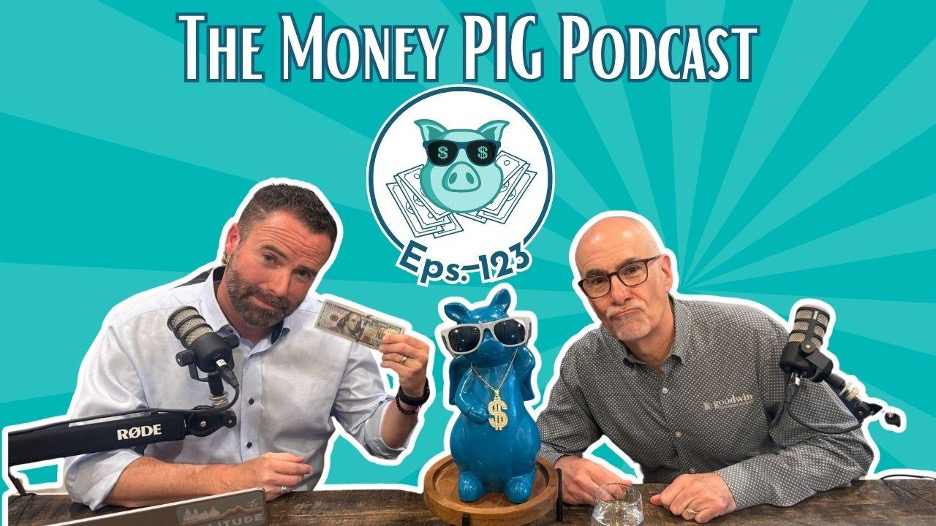

In this episode of The Money Pig Podcast, Tim Goodwin and Joe Beckford dive into one of the most meaningful financial conversations families can have: how to create a legacy your loved ones will never forget. But this episode is not just about wills, trusts, and money. It is about passing down values, wisdom, stories, and character long before financial assets ever change hands. Tim and Joe unpack the powerful concept of a “Legacy Will,” explaining why the greatest inheritance you leave behind may not be money at all, but the lessons, relationships, and memories that shape future generations.
The hosts share deeply personal examples of how they are intentionally building legacy within their own families. From documenting family stories and favorite quotes to hosting weekly family meetings and preserving life lessons learned the hard way, they reveal practical ways parents and grandparents can become more intentional about what they pass on. Tim explains how his evolving digital “Legacy Will” includes everything from grandfather sayings and family recipes to values, movie recommendations, and life advice for his children. The episode challenges listeners to stop assuming their family automatically knows their story and instead begin sharing it now while they still can.
Perhaps the most impactful takeaway is the reminder that legacy is not measured by buildings, statues, or account balances. It is measured by how others are changed because you existed. Whether through mentoring, scholarships, charitable giving, raising children, or simply sharing hard earned wisdom, Tim and Joe encourage listeners to think beyond financial inheritance and focus on creating a life that continues influencing others for generations. If you have ever wondered how to leave a deeper impact on your family or create purpose beyond wealth accumulation, this episode delivers an emotional and practical roadmap for building a lasting legacy.
Additional Resources:
Legacy Will:
https://www.goodwininvestment.com/goodwin-guides/legacy-will-planning-guide/
https://www.goodwininvestment.com/legacy-will/
https://www.goodwininvestment.com/legacy-vs-inheritance/
The following transcript of the podcast audio was software-generated, and not reviewed for accuracy. Therefore, the transcript below should not be used without verifying the validity and accuracy of its content. Please contact Goodwin Investment Advisory with any questions.
Tim (00:17)
And welcome back to the Money Pig Podcast. We’re your hosts Joe Beckford and Tim Goodwin. We are so excited today to talk about the gift your family will never forget. I see what you did there. Yeah. The will is is capitalized and we’ll get to that in minute. So Joe before we do what do you call a Mexican that doesn’t like protein powder. No way Jose.
Joe (00:17)
And welcome back to the Money Pig Podcast. We’re your hosts Joe Beckford and Tim Goodwin. We are so excited today to talk about the gift your family will never forget. I see what you did there. Yeah. The will is is capitalized and we’ll get to that in minute. So Joe before we do what do you call a Mexican that doesn’t like protein powder. No way Jose.
Tim (00:41)
Wow, I’m actually I’m out. ⁓ you’re out. Okay. I mean, I feel like that one was so good. It can stand on its own or yeah, it’s a dad joke. Okay, we’re here. We’re here for the last as well as the learning. So Joe share something interesting about yourself with the audience.
Joe (00:41)
Sarah was ready, she got it. my gosh, you got any other dad jokes for us, Wow, I’m actually, I’m out. you’re out, you’re out. No, I’m out, got nothing. I mean, I feel like that one was so good, it can stand on its own. Or, yeah. It’s a dad joke, okay, we’re here. We’re here for the laughs as well as the learning. So Joe, share something interesting about yourself with the audience.
Tim (01:07)
I don’t know how much they’ll find it interesting, I love Asian food. Come on. Tell me more. Seriously. I just love Asian food. Thai, Vietnamese, more than I like Chinese food, but more. I like more off. What’s the word I’m looking for? Not off brand, but more not as predominantly found. How about that? Yeah. Off the beaten path. Yeah. wall places. Yeah. Laotian food, stuff like that. I like.
Joe (01:07)
I don’t know how much they’ll find it interesting, I love Asian food. Come on. Tell me more. Seriously. I just love Asian food. Thai, Vietnamese, more than I like Chinese food, but more. I like more off. What’s the word I’m looking for? Not off brand, but more not as predominantly found. How about that? Yeah. Off the beaten path. Yeah. wall places. Yeah. Laotian food, stuff like that. I like.
Tim (01:33)
I find like I just feel better not eating American Chinese food but like other Asian food. just feel better after. Kill the MSG but otherwise yeah you’re right yeah you just feel better yeah if I have a big pasta meal you know I’m not that I don’t love Italian food because I do have a big pasta meal yeah nap no yeah not so not as much with Asian food that’s great right same yeah we’re big fans so
Joe (01:33)
I find like I just feel better not eating American Chinese food but like other Asian food. just feel better after. Kill the MSG but otherwise yeah you’re right yeah you just feel better yeah if I have a big pasta meal you know I’m not that I don’t love Italian food because I do have a big pasta meal yeah nap no yeah not so not as much with Asian food that’s great right same yeah we’re big fans so
Tim (01:56)
Something interesting, maybe it’s not necessarily about myself, but something interesting that I learned. So one of my mentors, Dale Alexander, sent me an article yesterday and it was called 12 years. And this guy wrote this article. I’m going to share it with the team. And Tara’s actually written a pretty similar article on the concept about like in retirement, you have these go-go years, these go-slow years, and these no-go years. And again, this is not what this conversation is about. This is Extra Today.
Joe (01:56)
Something interesting, maybe it’s not necessarily about myself, but something interesting that I learned. So one of my mentors, Dale Alexander, sent me an article yesterday and it was called 12 years. And this guy wrote this article. I’m going to share it with the team. And Tara’s actually written a pretty similar article on the concept about like in retirement, you have these go-go years, these go-slow years, and these no-go years. And again, this is not what this conversation is about. This is Extra Today.
Tim (02:22)
But this article, nine pages long, a financial advisor in the UK wrote it, and he basically said, the average years that you’re in your go-go years is 12. That’s it. And he just completely unpacked it. It’s still with that die with zero concept, guys, you’re just not gonna be spending the money that you think you’re gonna be spending.
Joe (02:22)
But this article, nine pages long, a financial advisor in the UK wrote it, and he basically said, the average years that you’re in your go-go years is 12. That’s it. And he just completely unpacked it. It’s still with that die with zero concept, guys, you’re just not gonna be spending the money that you think you’re gonna be spending.
Tim (02:44)
in your 80s or 90s you might live a 25 year 35 years in retirement but the years that you want to get on a long flight somewhere the years that you want to hike the Appalachian Trail or some other cool trail around the world like that’s a really short window so even for me was just kind of like wow we just heard yesterday have a couple of our clients that are retiring in their 40s.
Joe (02:44)
in your 80s or 90s you might live a 25 year 35 years in retirement but the years that you want to get on a long flight somewhere the years that you want to hike the Appalachian Trail or some other cool trail around the world like that’s a really short window so even for me was just kind of like wow we just heard yesterday have a couple of our clients that are retiring in their 40s.
Tim (03:07)
Mm You know. And so it’s just a message. think it’s something that we want to continue to share. So, you know, maybe maybe that’s interesting about me that I’m always kind of studying that psychology behind like, why do we keep accumulating wealth retiring too late? And then all of a sudden we don’t get to enjoy that time. So trying to bring that back. So all right. Maybe that’s a podcast episode for another time today. But today we’re talking about the gift your family will never forget. And so.
Joe (03:07)
Mm You know. And so it’s just a message. think it’s something that we want to continue to share. So, you know, maybe maybe that’s interesting about me that I’m always kind of studying that psychology behind like, why do we keep accumulating wealth retiring too late? And then all of a sudden we don’t get to enjoy that time. So trying to bring that back. So all right. Maybe that’s a podcast episode for another time today. But today we’re talking about the gift your family will never forget. And so.
Tim (03:35)
Joe to kind of get us started, why should families think about legacy as more than just legal documents and financial assets? For me, it’s character. to me, legacy is not just about money and then the definition of legacy is not just financial either, right? Legacy is how do you want to be remembered? And for me personally, it’s almost like
Joe (03:35)
Joe to kind of get us started, why should families think about legacy as more than just legal documents and financial assets? For me, it’s character. to me, legacy is not just about money and then the definition of legacy is not just financial either, right? Legacy is how do you want to be remembered? And for me personally, it’s almost like
Tim (03:56)
How can I leave this world? We’re not here for very long time. Kind of a blink of an eye relative to how long the world is and how long the world is going to be, right? So we’re here for a relatively short period of time. So how do you make it matter that you were here, right? So how do you pass that down? So for me, if you have children, think back to when you had children and why did you have children in the first place?
Joe (03:56)
How can I leave this world? We’re not here for very long time. Kind of a blink of an eye relative to how long the world is and how long the world is going to be, right? So we’re here for a relatively short period of time. So how do you make it matter that you were here, right? So how do you pass that down? So for me, if you have children, think back to when you had children and why did you have children in the first place?
Tim (04:22)
If you were intentional about having children, was probably because you wanted to have another generation and you wanted to be able to pass on the good parts of you. None of us are excited about passing on the bad parts. That is part and parcel of It’s going to happen anyway. But it’s to pass on the good parts of you going forward, right? So that you have sort of that mark in the world going forward. And I feel like that’s character. And I get asked, well, I don’t have kids.
Joe (04:22)
If you were intentional about having children, was probably because you wanted to have another generation and you wanted to be able to pass on the good parts of you. None of us are excited about passing on the bad parts. That is part and parcel of It’s going to happen anyway. But it’s to pass on the good parts of you going forward, right? So that you have sort of that mark in the world going forward. And I feel like that’s character. And I get asked, well, I don’t have kids.
Tim (04:49)
and I have clients who don’t have children and never did and are not going to. And does that mean I don’t have a legacy? No, absolutely it doesn’t mean that. It’s how would you like to be remembered? How are you gonna leave the world a better place? What does that look like? And I think that’s a matter of how do you spend your time and your talent and your treasure, right? And so do you set up a, maybe you set up a scholarship, maybe you support charities that help.
Joe (04:49)
and I have clients who don’t have children and never did and are not going to. And does that mean I don’t have a legacy? No, absolutely it doesn’t mean that. It’s how would you like to be remembered? How are you gonna leave the world a better place? What does that look like? And I think that’s a matter of how do you spend your time and your talent and your treasure, right? And so do you set up a, maybe you set up a scholarship, maybe you support charities that help.
Tim (05:12)
people in less developed countries go to school that wouldn’t be able to go to school otherwise. How do you even help people that you’ll never meet? And I think that’s an element of legacy as well. That’s awesome. I actually read this quote this morning. I shared it via text with my small group. It’s by Mark Batterson. He’s the author of Draw the Circle. And he said, legacy isn’t what you accomplish. Legacy is what others accomplish because of you. Ooh.
Joe (05:12)
people in less developed countries go to school that wouldn’t be able to go to school otherwise. How do you even help people that you’ll never meet? And I think that’s an element of legacy as well. That’s awesome. I actually read this quote this morning. I shared it via text with my small group. It’s by Mark Batterson. He’s the author of Draw the Circle. And he said, legacy isn’t what you accomplish. Legacy is what others accomplish because of you. Ooh.
Tim (05:40)
I like that. It’s kind of in line with what you were talking about. I remember these old, like, know, gladiator, Spartan-related movies. They just want to be remembered, these soldiers, that they die. Like, we just want to be remembered. You know, that’s kind of the concept, right? They want to be remembered. But I think this takes it so much deeper. It’s so much more. I don’t want to just be remembered. I want what is remembered about me to help other people accomplish kind of more on the good things, right? Good things. Like having your name on a scholarship with…
Joe (05:40)
I like that. It’s kind of in line with what you were talking about. I remember these old, like, know, gladiator, Spartan-related movies. They just want to be remembered, these soldiers, that they die. Like, we just want to be remembered. You know, that’s kind of the concept, right? They want to be remembered. But I think this takes it so much deeper. It’s so much more… I don’t want to just be remembered. I want what is remembered about me to help other people accomplish kind of more on the good things, right? Good things. Like having your name on a scholarship with…
Tim (06:08)
to me would be cooler than having my name on a statue. Right, right, or a building. Yeah. Right, like, okay, you’re remembered. But what difference do you make? That’s great. You know, it’s interesting that you bring up scholarship because I am part of a group that endowed a scholarship and all at our alma mater, Berry College. But I end up being the contact person and the mentor to our scholarship recipient. I just got to get that role, which is super cool.
Joe (06:08)
to me would be cooler than having my name on a statue. Right, right, or a building. Yeah. Right, like, okay, you’re remembered. But what difference do you make? That’s great. You know, it’s interesting that you bring up scholarship because I am part of a group that endowed a scholarship and all at our alma mater, Berry College. But I end up being the contact person and the mentor to our scholarship recipient. I just got to get that role, which is super cool.
Tim (06:34)
And the scholarship’s substantial and it lasts for all four years. And so we’re actually now on our third scholarship recipient as a senior. So this has been, whatever you do the math, I think they were all there for four years to work on that 12th year. And it has been really, really meaningful because I’m not just part of the money that endowed this scholarship, but I get to actually build a relationship with a student. Yeah, that’s huge. It’s cool to think about legacy not just in terms of your family, but in terms of…
Joe (06:34)
And the scholarship’s substantial and it lasts for all four years. And so we’re actually now on our third scholarship recipient as a senior. So this has been, whatever you do the math, I think they were all there for four years to work on that 12th year. And it has been really, really meaningful because I’m not just part of the money that endowed this scholarship, but I get to actually build a relationship with a student. Yeah, that’s huge. It’s cool to think about legacy not just in terms of your family, but in terms of…
Tim (07:03)
you know of others, you know, so that’s a great way to do it. So sorry, I’m jumping in. Yeah, well, I was gonna ask so you’ve done this really well. So I wanted to ask you how has writing or sharing that legacy that legacy will that conversation we haven’t brought that term up yet. Yeah, in this pod, right? We talked about it a bunch of times, but we like to talk about the concept of a legacy will. So I want you to share
Joe (07:03)
you know of others, you know, so that’s a great way to do it. So sorry, I’m jumping in. Yeah, well, I was gonna ask so you’ve done this really well. So I wanted to ask you how has writing or sharing that legacy that legacy will that conversation we haven’t brought that term up yet. Yeah, in this pod, right? We talked about it a bunch of times, but we like to talk about the concept of a legacy will. So I want you to share
Tim (07:32)
your work on the legacy, Will, and what has that meant for you and your family so far? How are you living that out and how do you intend to? So being in this industry for 23 years, I’ve started reading about this concept and learning about it and just going, yeah, I don’t just want to pass down the money and the financial documents. How do we pass down the character? How do we pass down the legacy? How do we pass down stories? I was starting to forget about some of the things about my grandfather, some of the things he said. So I started writing those down.
Joe (07:32)
your work on the legacy, Will, and what has that meant for you and your family so far? How are you living that out and how do you intend to? So being in this industry for 23 years, I’ve started reading about this concept and learning about it and just going, yeah, I don’t just want to pass down the money and the financial documents. How do we pass down the character? How do we pass down the legacy? How do we pass down stories? I was starting to forget about some of the things about my grandfather, some of the things he said. So I started writing those down.
Tim (08:01)
I actually started writing down, like, it’s just straight up on an Apple Note that I actually have it called, The Legacy Well. So was starting to write down, like, things my grandfather would say. He would say, like, I’d be like, how you doing, Pop Pop? And he’d be like, fit as a fiddle and ready for love. Shape up or ship out, I don’t know. He would burp and he would say, how are you? And then he would say, fine, thank you. Like, his insides were asking him how he was doing. Anyway, he just had all these really funny.
Joe (08:01)
I actually started writing down, like, it’s just straight up on an Apple Note that I actually have it called, The Legacy Well. So was starting to write down, like, things my grandfather would say. He would say, like, I’d be like, how you doing, Pop Pop? And he’d be like, fit as a fiddle and ready for love. Shape up or ship out, I don’t know. He would burp and he would say, how are you? And then he would say, fine, thank you. Like, his insides were asking him how he was doing. Anyway, he just had all these really funny.
Tim (08:25)
things and I don’t want to forget these things I was like tell my kids about them and then would learn quotes like the one I read you here and I want to say those the my the Maya Angelou quotes some of my favorite of all times you know I’ve got multiple Maya Angelou she’s my favorite producer of all time so those are in there we actually like family recipes in there Maury and I created our top list of favorite movies that are in there some they have to watch when they get older like not right ready for it in elementary school or something so
Joe (08:25)
things and I don’t want to forget these things I was like tell my kids about them and then would learn quotes like the one I read you here and I want to say those the my the Maya Angelou quotes some of my favorite of all times you know I’ve got multiple Maya Angelou she’s my favorite producer of all time so those are in there we actually like family recipes in there Maury and I created our top list of favorite movies that are in there some they have to watch when they get older like not right ready for it in elementary school or something so
Tim (08:55)
different concepts we have to stories about some lessons we learn the hard way. So I’ve just got this like real time going legacy well which is just a name for an Apple note. That’s all it is. And it’s just stuff I throw in there that I think could be helpful to share with my kids now or someday. Right now we do have family fun night. We try to have it once a week. We stole this idea from another team member here. Christie Trigo Christie and Retrieve. They would have Sunday Sundays.
Joe (08:55)
different concepts we have to stories about some lessons we learn the hard way. So I’ve just got this like real time going legacy well which is just a name for an Apple note. That’s all it is. And it’s just stuff I throw in there that I think could be helpful to share with my kids now or someday. Right now we do have family fun night. We try to have it once a week. We stole this idea from another team member here. Christie Trigo Christie and Retrieve. They would have Sunday Sundays.
Tim (09:22)
So they’d have ice cream sundaes on Sunday, and then they would have the kids come and they would do their family meeting. So we sort of adopted that. We call it family fun night, but we do dessert first. And so we eat dessert before we eat the meal, and that’s when we go over, we have family values. We go over the family values and we talk about has anybody caught anybody else doing the family values since the last time we met? And then I will share something out of the legacy well.
Joe (09:22)
So they’d have ice cream sundaes on Sunday, and then they would have the kids come and they would do their family meeting. So we sort of adopted that. We call it family fun night, but we do dessert first. And so we eat dessert before we eat the meal, and that’s when we go over, we have family values. We go over the family values and we talk about has anybody caught anybody else doing the family values since the last time we met? And then I will share something out of the legacy well.
Tim (09:46)
which I know they’re so excited about, right? Like they’re like, I can’t wait till dad shares from the legacy. Well, but what cheesy movie is he going to recommend that I watch? Yeah, it’s a different experience being my kid. anyway, one of my kids said, yeah, but that’s that’s kind of the what we do. We’ll eat dinner. Then a lot of times we’ll play a play game as a family after that. So that’s the way that I’m thinking about it constantly, because it’s part of my weekly rhythm. And I have that have that document in there. So
Joe (09:46)
which I know they’re so excited about, right? Like they’re like, I can’t wait till dad shares from the legacy. Well, but what cheesy movie is he going to recommend that I watch? Yeah, it’s a different experience being my kid. anyway, one of my kids said, yeah, but that’s that’s kind of the what we do. We’ll eat dinner. Then a lot of times we’ll play a play game as a family after that. So that’s the way that I’m thinking about it constantly, because it’s part of my weekly rhythm. And I have that have that document in there. So
Tim (10:12)
To me the legacy will isn’t like this thing that I’m writing that I’m going to print out and actually put with my real will and power returning health care directive and it’s going to be handed my kids and they’re just going to read it to me it’s like something I’m trying to share in real time and just have conversations about. What you think about that Joe. I think it’s pretty impressive and I think it’s pretty cool that you know it’s funny because I feel like maybe Maryland and I haven’t done as good a job of that as I would like because I.
Joe (10:12)
To me the legacy will isn’t like this thing that I’m writing that I’m going to print out and actually put with my real will and power returning health care directive and it’s going to be handed my kids and they’re just going to read it to me it’s like something I’m trying to share in real time and just have conversations about. What you think about that Joe. I think it’s pretty impressive and I think it’s pretty cool that you know it’s funny because I feel like maybe Maryland and I haven’t done as good a job of that as I would like because I.
Tim (10:39)
Like as our kids have gotten older, we’ll be telling stories of what happened to us in college. So we met in college, what happened in college or something. And they’ll say, wait, what? We didn’t know that story, mom and dad. Yeah, I never heard that before. You did what? And I’m thinking, oh, yeah. See, I am cooler than you think. And they’re like, no, you’re still not cool. But to that end, it’s like, oh, yeah, that would be that would kind of be cool if the kids knew me.
Joe (10:39)
Like as our kids have gotten older, we’ll be telling stories of what happened to us in college. So we met in college, what happened in college or something. And they’ll say, wait, what? We didn’t know that story, mom and dad. Yeah, I never heard that before. You did what? And I’m thinking, oh, yeah. See, I am cooler than you think. And they’re like, no, you’re still not cool. But to that end, it’s like, oh, yeah, that would be that would kind of be cool if the kids knew me.
Tim (11:08)
better. It made me realize how there is stuff that we don’t share because we’re just not intentional about it. And that was part of a life that was before they were here. so I find that naturally as my kids are getting older there’s more stories that Maury and I are willing to share. Well for sure for sure. Well they can handle more. They handle it. course. Do they get the lesson that’s learned or is it maybe a PG 13 story. whatever. It takes some time. Yeah yeah yeah. There’s there’s there’s for sure that.
Joe (11:08)
better. It made me realize how there is stuff that we don’t share because we’re just not intentional about it. And that was part of a life that was before they were here. so I find that like naturally as my kids are getting older there’s more stories that Maury and I are willing to share. Well for sure for sure. Well they can handle more. I handle it. Of course they get the lesson that’s learned or is it maybe a PG 13 story. whatever like it takes some time. Yeah yeah yeah there’s there’s there’s for sure that.
Tim (11:35)
So you mentioned in your Apple Note, like the kinds of stuff that you’re including in your legacy will. And Tara has done a really great job of creating a legacy will for us. Like a worksheet. Yeah, downloadable. We’ve given it out to our clients. we talk about it, sometimes you’ll hear it, I hear people like, I’ve got a drawer.
Joe (11:35)
So you mentioned in your Apple Note, like the kinds of stuff that you’re including in your legacy will. And Tara has done a really great job of creating a legacy will for us. Like a worksheet. Yeah, downloadable. We’ve given it out to our clients. we talk about it, sometimes you’ll hear it, I hear people like, I’ve got a drawer.
Tim (11:59)
a legacy drawer and they’ll just put even little artifacts in or something like that. Something that’s important like, oh, my old high school class rank or something that’s in there. Because that, ultimately, that stuff will pass to you. So maybe your legacy lives in there. you’ve given us some ideas of putting some stuff in there. I like the idea of how Terra did it because it puts structure to it. Maybe not just an Apple note. I mean, the Apple note’s…
Joe (11:59)
a legacy drawer and they’ll just put even little artifacts in or something like that. Something that’s important like, oh, my old high school class rank or something that’s in there. Because that, ultimately, that stuff will pass to you. So maybe your legacy lives in there. you’ve given us some ideas of putting some stuff in there. I like the idea of how Terra did it because it puts structure to it. Maybe not just an Apple note. I mean, the Apple note’s…
Tim (12:27)
Cool, you’re demonstrating that, you’re giving it to the kids on Family Fun Night, and that’s very cool, but in the end, ultimately, one day, you and Maureen will be going, so what does that look like? And I like the structure that that puts to it. And I mean, it’s free. Yes, there’s that, it’s a great price. Yeah, it’s a great price, it does require an intentional conversation with either your spouse or yourself, and some discipline.
Joe (12:27)
Cool, you’re demonstrating that, you’re giving it to the kids on Family Fun Night, and that’s very cool, but in the end, ultimately, one day, you and Maureen will be going, so what does that look like? And I like the structure that that puts to it. And I mean, it’s free. Yes, there’s that, it’s a great price. Yeah, it’s a great price, it does require an intentional conversation with either your spouse or yourself, and some discipline.
Tim (12:54)
to write it all down, right? Because it’s probably a lot easier to turn on a funny show and spend your evening doing that versus, let me think pensively about my legacy, Will, and what would I like to write in it? But I think it’s really gratifying to do. And I’ve got mine bleeding out slowly over time, like you’re sharing. Maybe you haven’t done this before. Or maybe the kids are, maybe you’re empty nesting already. You know what I mean? So it’s like.
Joe (12:54)
to write it all down, right? Because it’s probably a lot easier to turn on a funny show and spend your evening doing that versus, let me think pensively about my legacy, Will, and what would I like to write in it? But I think it’s really gratifying to do. And I’ve got mine bleeding out slowly over time, like you’re sharing. Maybe you haven’t done this before. Or maybe the kids are, maybe you’re empty nesting already. You know what I mean? So it’s like.
Tim (13:19)
can’t do family fun night in person, they’re not here. So I think like you said, like Tara’s worksheet, the Legacy Well worksheet, it’s a fillable PDF or you can print it out and fill it out by hand and then you can kind of deliver this, hey guys, can I invite you over for dinner? Can we go out? I would really love to just read through this Legacy Well worksheet that I filled out and you just give it to the kids. Or you take the questions like I did and you just build them into whatever you like, like an Apple Note.
Joe (13:19)
can’t do family fun night in person, they’re not here. So I think like you said, like Tara’s worksheet, the Legacy Well worksheet, it’s a fillable PDF or you can print it out and fill it out by hand and then you can kind of deliver this, hey guys, can I invite you over for dinner? Can we go out? I would really love to just read through this Legacy Well worksheet that I filled out and you just give it to the kids. Or you take the questions like I did and you just build them into whatever you like, like an Apple Note.
Tim (13:43)
And I’ll just go ahead and tell you if you want to like pause of the podcast and go find it you go to good investment.com you click on knowledge center go to financial guides and this is this is there I double check the other day it’s there and so as far as like it’s not really this guide that you like the other guides that you read that gives you kind of informative stuff like this is a fillable form this is a worksheet to go through it so you can download download that for free and yeah fill it out yourself handwrite it or maybe just take the questions.
Joe (13:43)
And I’ll just go ahead and tell you if you want to like pause of the podcast and go find it you go to good investment.com you click on knowledge center go to financial guides and this is this is there I double check the other day it’s there and so as far as like it’s not really this guide that you like the other guides that you read that gives you kind of informative stuff like this is a fillable form this is a worksheet to go through it so you can download download that for free and yeah fill it out yourself handwrite it or maybe just take the questions.
Tim (14:11)
somewhere else so I think that’s a great way to to deliver it and to make sure it’s asking all these different questions that you could enter into it I think one of the reasons that I’m motivated to do it I know we talked about sharing character and you know being known and your legacy helps them accomplish stuff sure one of the things that I’m really trying to do here is and we have conversations about this but like you you learn all these things the hard way and I will say at least for
Joe (14:11)
somewhere else so I think that’s a great way to to deliver it and to make sure it’s asking all these different questions that you could enter into it I think one of the reasons that I’m motivated to do it I know we talked about sharing character and you know being known and your legacy helps them accomplish stuff sure one of the things that I’m really trying to do here is and we have conversations about this but like you you learn all these things the hard way and I will say at least for
Tim (14:39)
for me and I think for most parents, like your natural wiring is you don’t want your kids to have to learn that the hard way too. Like you already did learn it the hard way. So I’m gonna write this down kiddos. I learned this the hard way. So you can either do it yourself and learn it the hard way or just kind of take my advice and don’t and save the pain. Now I’m not trying to prevent my kids from ever having pain. They need to have pain. They need to overcome. They need to build resilience and grit. But I could maybe reduce it. I could maybe shape it.
Joe (14:39)
for me and I think for most parents, like your natural wiring is you don’t want your kids to have to learn that the hard way too. Like you already did learn it the hard way. So I’m gonna write this down kiddos. I learned this the hard way. So you can either do it yourself and learn it the hard way or just kind of take my advice and don’t and save the pain. Now I’m not trying to prevent my kids from ever having pain. They need to have pain. They need to overcome. They need to build resilience and grit. But I could maybe reduce it. I could maybe shape it.
Tim (15:06)
I could maybe, you know, say, you know, get them moving and making progress right much quicker just because maybe some of these things that I’m sharing the legacy well. So I did want to like voice that that was one of my motives of having the legacy well is that I hope my kids don’t have to learn all the things that I learned the hard way. I hope they don’t have to learn all those things the hard way too just because I was intentional about having a conversation with them about it. Right, right. Yeah, if you if you look back, you know, like, oh, Shaila’s struggling with that.
Joe (15:06)
I could maybe, you know, say, you know, get them moving and making progress right much quicker just because maybe some of these things that I’m sharing the legacy well. So I did want to like voice that that was one of my motives of having the legacy well is that I hope my kids don’t have to learn all the things that I learned the hard way. I hope they don’t have to learn all those things the hard way too just because I was intentional about having a conversation with them about it. Right, right. Yeah, if you if you look back, you know, like, oh, Shaila’s struggling with that.
Tim (15:34)
if I had just told her this, you know, and I know my kid, she probably would have listened and she could have gone further faster and over that part. And maybe Shiloh learns it the hard way and we capture that together in the legacy well and we still share with the rest of the family because hey, now Shiloh has learned something and maybe not everybody’s got to learn at the hard way, you know, so. So Tim, that’s a lot of work and it takes time to do, right? So other than so that my kids don’t have to learn the hard way, what have you been, what have you learned?
Joe (15:34)
if I had just told her this, you know, and I know my kid, she probably would have listened and she could have gone further faster and over that part. And maybe Shiloh learns it the hard way and we capture that together in the legacy well and we still share with the rest of the family because hey, now Shiloh has learned something and maybe not everybody’s got to learn at the hard way, you know, so. So Tim, that’s a lot of work and it takes time to do, right? So other than so that my kids don’t have to learn the hard way, what have you been, what have you learned?
Tim (16:03)
in doing it, like what does it meant for you as you’re doing it, right? Because maybe you’re not helping your kids not avoid the hard stuff yet. Maybe that’s even gonna be after you’re gone. So how does it feel? How does it make you feel? Why do you do it? Other than this future gratification of maybe making my kids not have to learn the hard way. Yeah, I think, you ever have these times where you’re like, man, I need to tell my kids that.
Joe (16:03)
in doing it, like what does it meant for you as you’re doing it, right? Because maybe you’re not helping your kids not avoid the hard stuff yet. Maybe that’s even gonna be after you’re gone. So how does it feel? How does it make you feel? Why do you do it? Other than this future gratification of maybe making my kids not have to learn the hard way. Yeah, I think, you ever have these times where you’re like, man, I need to tell my kids that.
Tim (16:27)
Like sure, just something, something you learn, something you think about, something you remember. And you know, something Joe, we’ve read as a team, read that book, Getting Things Done by David Allen. And in that book, he said, your brain is for creating, not for holding things. And so for me, I don’t have to remember, okay, next time I’m with my kids, I’m gonna share that thing.
Joe (16:27)
Like sure, just something, something you learn, something you think about, something you remember. And you know, something Joe, we’ve read as a team, read that book, Getting Things Done by David Allen. And in that book, he said, your brain is for creating, not for holding things. And so for me, I don’t have to remember, okay, next time I’m with my kids, I’m gonna share that thing.
Tim (16:48)
and tie little ribbon around my finger or write it on my skin or like we mostly do now just tell our assistant to remind us when we get home or at a certain time set an alarm right. I don’t have to do that I just type it right into the legacy well right because to me that’s my trusted system so if I put that thought or that idea or that memory into the trusted system into the legacy well in my Apple note I could be driving and I just open it and you know audio to text put something in there then I know that I’m going to.
Joe (16:48)
and tie little ribbon around my finger or write it on my skin or like we mostly do now just tell our assistant to remind us when we get home or at a certain time set an alarm right. I don’t have to do that I just type it right into the legacy well right because to me that’s my trusted system so if I put that thought or that idea or that memory into the trusted system into the legacy well in my Apple note I could be driving and I just open it and you know audio to text put something in there then I know that I’m going to.
Tim (17:15)
see that at our next family fun night and then I’ll then I’ll convey it so I think that’s part of it I’m just I don’t have to worry and keep thinking like I wish I’d only told one of my kids that I remember tell the other two like and so I think that’s part of it’s just refreshing for me I have less anxiety because I want to that’s a fun story I should tell my kids will get a good chuckle out of that I write it in the legacy well share the family fun night so I think that helps too. Yeah so I like.
Joe (17:15)
see that at our next family fun night and then I’ll then I’ll convey it so I think that’s part of it I’m just I don’t have to worry and keep thinking like I wish I’d only told one of my kids that I remember tell the other two like and so I think that’s part of it’s just refreshing for me I have less anxiety because I want to that’s a fun story I should tell my kids will get a good chuckle out of that I write it in the legacy well share the family fun night so I think that helps too. Yeah so I like.
Tim (17:41)
I like that we have this conversation because I do have this conversation with clients a lot about your money and what does it mean and when we talk about legacy and generally our clients, you know, we do financial plans and we run their plan and I start out before I’ve even run their plan and I usually say, so we’re going to run your plan and we’re going to see how long your money lasts. And the reality is you’re probably going to have money left over. Right. So what does that look like and how are we going to be intentional about where that goes?
Joe (17:41)
I like that we have this conversation because I do have this conversation with clients a lot about your money and what does it mean and when we talk about legacy and generally our clients, you know, we do financial plans and we run their plan and I start out before I’ve even run their plan and I usually say, so we’re going to run your plan and we’re going to see how long your money lasts. And the reality is you’re probably going to have money left over. Right. So what does that look like and how are we going to be intentional about where that goes?
Tim (18:10)
giving it to the US government or some other government is not the right answer. So how do we be intentional about where it goes, but also how do we be intentional along the way? But I don’t only want you to think that you’re as important as your money that you’re leaving behind, right? So then we get into these conversations this way and that’s where. We talked about the good life pyramid before is our kind of financial pyramid of sort of inspired by Maslow’s hierarchy of needs. It’s behind Joe, you can’t see it in the shot, but.
Joe (18:10)
giving it to the US government or some other government is not the right answer. So how do we be intentional about where it goes, but also how do we be intentional along the way? But I don’t only want you to think that you’re as important as your money that you’re leaving behind, right? So then we get into these conversations this way and that’s where. We talked about the good life pyramid before as our kind of financial pyramid of sort of inspired by Maslow’s hierarchy of needs. It’s behind Joe, you can’t see it in the shot, but.
Tim (18:38)
You know the concept is you work your way up the pyramid the top of the pyramid is fulfilling purpose it’s living with purpose building your legacy I mean these is one of the tools that we use to help our clients think about building their legacy and living with purpose maybe one of your greatest purposes isn’t what you do but who you raise. And so you know the kids that you have the grandkids that you have so your purpose may not be starting some great company or some great nonprofit it may be.
Joe (18:38)
You know the concept is you work your way up the pyramid the top of the pyramid is fulfilling purpose it’s living with purpose building your legacy I mean these is one of the tools that we use to help our clients think about building their legacy and living with purpose maybe one of your greatest purposes isn’t what you do but who you raise. And so you know the kids that you have the grandkids that you have so your purpose may not be starting some great company or some great nonprofit it may be.
Tim (19:05)
You have these kids and these grandkids and you pass your legacy and that’s your purpose is sharing family and helping to coach and mentor your kids and grandkids. So yeah. Yeah. Awesome. Well again I mentioned before like if you want to get the worksheet just just find it there online if you’re going to go through the effort and download it please subscribe to the blog because we talk about things like this and there’s really great value there. So that kind of gets pushed to you but you can also just go.
Joe (19:05)
You have these kids and these grandkids and you pass your legacy and that’s your purpose is sharing family and helping to coach and mentor your kids and grandkids. So yeah. Yeah. Awesome. Well again I mentioned before like if you want to get the worksheet just just find it there online if you’re going to go through the effort and download it please subscribe to the blog because we talk about things like this and there’s really great value there. So that kind of gets pushed to you but you can also just go.
Tim (19:30)
pull quote unquote pull what you want from the website. There’s a lot of other really great guides there as well that you get access to. So and they’re free and they’re free that really great price again. so Joe as we all let you start thinking about something that you want to share that you’re grateful for. I’ve got one here that’ll jump out with is I am grateful for new running shoes. Okay. I was giving thumbs up over here. We’re both runners. So like I have this propensity to just buy something and just wear it out.
Joe (19:30)
pull quote unquote pull what you want from the website. There’s a lot of other really great guides there as well that you get access to. So and they’re free and they’re free that really great price again. so Joe as we all let you start thinking about something that you want to share that you’re grateful for. I’ve got one here that’ll jump out with is I am grateful for new running shoes. Okay. I was giving thumbs up over here. We’re both runners. So like I have this propensity to just buy something and just wear it out.
Tim (19:58)
like razors to shave like I forget I’m like I should switch the razor I have to set up a reminder to switch my my face razor like once every four months because I just don’t I don’t know my contacts I’m supposed to switch them out monthly I have to remind myself because I’ll just leave them in there forever I mean I would take them out at night but like my cars I bought a new car but I don’t want a new car and that was six years ago and I’m happy with it like you know you you especially you know the you just drive those drive those cars down I guess I was doing the same thing with my running shoes
Joe (19:58)
like razors to shave like I forget I’m like I should switch the razor I have to set up a reminder to switch my my face razor like once every four months because I just don’t I don’t know my contacts I’m supposed to switch them out monthly I have to remind myself because I’ll just leave them in there forever I mean I would take them out at night but like my cars I bought a new car but I don’t want a new car and that was six years ago and I’m happy with it like you know you you especially you know the you just drive those drive those cars down I guess I was doing the same thing with my running shoes
Tim (20:27)
just running and running and running. you know, Tara and have conversations about back pain and things like this. And I was getting a lot of back pain. I thought it had more to do with like, I need to be stretching. I need to be strengthening my core. Nah, I just needed new running shoes. I was like, all right, now have to set up a reminder to buy new running shoes. So I’m grateful for new they look good, right? I mean, they look fine. And then you’re like, oh yeah, they’re beat inside their beat. didn’t even, couldn’t even.
Joe (20:27)
just running and running and running. you know, Tara and have conversations about back pain and things like this. And I was getting a lot of back pain. I thought it had more to do with like, I need to be stretching. I need to be strengthening my core. Nah, I just needed new running shoes. I was like, all right, now have to set up a reminder to buy new running shoes. So I’m grateful for new they look good, right? I mean, they look fine. And then you’re like, oh yeah, they’re beat inside their beat. couldn’t even.
Tim (20:52)
I couldn’t even throw them away because I take good care of them. So I did put them in the Goodwill basket. So maybe they’ll make a basketball court out there. You go, you recycle them, chew them up and do all that stuff. They do. They make those little those things. I was like, these are still good shoes. Why am I throwing these away? But they yeah, the new shoes. Yeah, no, we’re back pain. So that’s nice. I am grateful that I do not have to mow my own grass. Come on.
Joe (20:52)
I couldn’t even throw them away because I take good care of them. So I did put them in the Goodwill basket. So maybe they’ll make a basketball court out there. You go, you recycle them, chew them up and do all that stuff. They do. They make those little those things. I was like, these are still good shoes. Why am I throwing these away? But they yeah, the new shoes. Yeah, no, we’re back pain. So that’s nice. I am grateful that I do not have to mow my own grass. Come on.
Tim (21:15)
Right? am super grateful. I remember back in the day when I would do that and like, it’s Saturday. Like who hates Saturday? Well, I hate it Saturday because that meant I had to get up early, early in the morning before it got blazing hot and I’m mowing the grass and spending half the day doing that. And I know a lot of a lot of my clients say, it’s therapeutic to mow the grass. No, not, for me. So I’m grateful. don’t have to do that.
Joe (21:15)
Right? am super grateful. I remember back in the day when I would do that and like, it’s Saturday. Like who hates Saturday? Well, I hate it Saturday because that meant I had to get up early, early in the morning before it got blazing hot and I’m mowing the grass and spending half the day doing that. And I know a lot of a lot of my clients say, it’s therapeutic to mow the grass. No, not, for me. So I’m grateful. don’t have to do that.
Tim (21:40)
That’s awesome. Well, thank you to our producers, Mandy Devita and Tara Bruce for helping out and running this thing so well. And thank you to our listeners for listening or watching. We will see you next time. Bye bye.
Joe (21:40)
That’s awesome. Well, thank you to our producers, Mandy Devita and Tara Bruce for helping out and running this thing so well. And thank you to our listeners for listening or watching. We will see you next time. Bye bye.
The Money PIG podcast is hosted by Reid Trego. Goodwin Investment Advisory is a Registered Investment Advisory firm regulated by the Securities and Exchange Commission in accordance and compliance with securities laws and regulations. Goodwin Investment Advisory does not render or offer to render personalized investment or tax advice through the Money PIG podcast. The information provided is for informational purposes only and does not constitute financial, tax, investment or legal advice.
For personalized financial guidance, schedule an intro call with our team at Goodwin Investment Advisory in Woodstock, Georgia . Our CFP® professionals can provide advice and help you navigate how to invest your wealth and plan for your retirement. We’d love to help you live out your legacy! To learn more about the benefits and services we offer click here.
Goodwin Investment Advisory is an SEC-registered investment adviser (CRD #131193), and this episode is produced by evanced.net. This podcast is for informational purposes only and is not investment advice or a recommendation to buy or sell any financial products, securities, digital assets, or other investments. It should not be used as the basis for any financial decisions. The host and/or guests may personally hold investments mentioned in this episode. All investments involve risk, and past performance does not guarantee future results. Please consult with a qualified financial adviser, tax professional, and attorney before taking action on any information shared.
Share This Story, Choose Your Platform!
Related Posts