
What is the difference between simply having wealth and experiencing a genuinely happy, meaningful life?
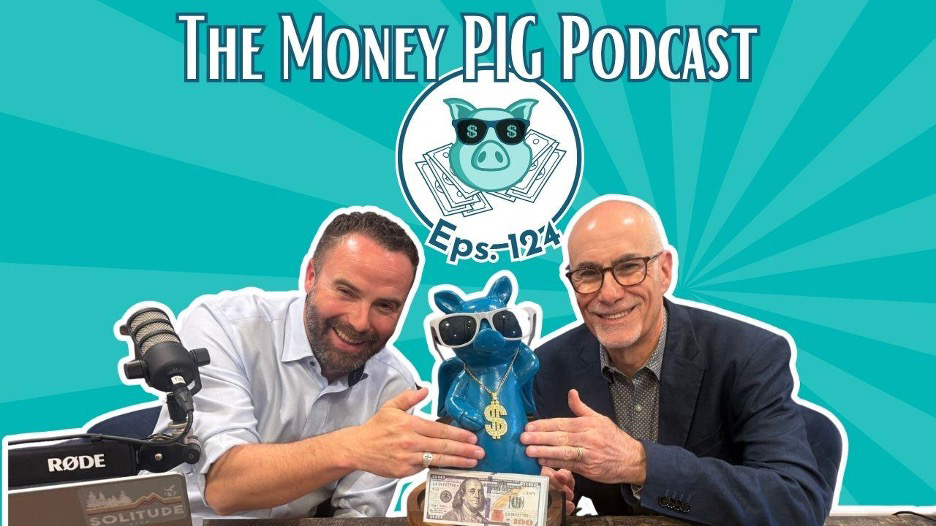
In this episode, co-hosts Joe Beckford and Tim Goodwin explore the ideas behind Tim’s new book, The Seven Secrets of Happy Millionaires, and share what years of working with successful families have taught them about building wealth with greater purpose and joy.
Listen or watch to discover:
- Why intentionality may be the key to becoming a happier millionaire
- How generosity can create greater fulfillment
- Why retirement is about more than reaching a number
- How to prepare for what you are retiring to, not just what you are retiring from
- Why hobbies, relationships, purpose, and meaningful goals matter
- How a thoughtful financial plan can replace retirement anxiety with confidence
- The seven principles that can help you enjoy your hard-earned wealth while you still can
You will also hear the inspiring story of a client in his 80s who refuses to leave his “go-go years” behind and continues to fill his life with activity, travel, friendship, purpose, and adventure.
Can money make you happy? Maybe that is not quite the right question. Tune in to discover how intentional choices can help you build a life that is both financially secure and deeply fulfilling.
Additional resources
https://www.goodwininvestment.com/7secrets/
The following transcript of the podcast audio was software-generated, and not reviewed for accuracy. Therefore, the transcript below should not be used without verifying the validity and accuracy of its content. Please contact Goodwin Investment Advisory with any questions.
Joe (00:01)
And welcome back to the Money Pig Podcast. We’re your hosts, Joe Beckford, and Tim Goodwin. Today we’re super excited to talk about my new book, The Seven Secrets of Happy Millionaires. But before we do, Joe, before we do, as you know, I can’t wait. I just finished writing a book on happy millionaires. So I’ve heard. Do you want to know how it ended? Sure. They lived fiscally ever after. Oi.
Tim (00:01)
And welcome back to the Money Pig Podcast. We’re your hosts, Joe Beckford, and Tim Goodwin. Today we’re super excited to talk about my new book, The Seven Secrets of Happy Millionaires. But before we do, Joe, before we do, as you know, I can’t wait. I just finished writing a book on happy millionaires. So I’ve heard. Do you want to know how it ended? Sure. They lived fiscally ever after. Oi.
Joe (00:32)
I don’t know. I found that pretty I found that pretty funny myself. So your book is about millionaires, right? But we’re gonna talk a a lot about retirement. You know, I got a lot of jokes about retired people. do you? Uh-huh. But none of them work. None of work.
Tim (00:32)
I don’t know. I found that pretty I found that pretty funny myself. So your book is about millionaires, right? But we’re gonna talk a a lot about retirement. You know, I got a lot of jokes about retired people. do you? Uh-huh. But none of them work. None of work.
Joe (00:49)
That’s the goal, Joe. It only goes down here from here, folks. Yeah, well, I mean, not only are we excited about our jokes today, but we’re excited about this new space. I know. Yeah. Welcome to the new listening. But if you’re watching, we’ve got a new sign. We’ve got notorious. Notorious is still the same. On the wall. We’ve got a we’ve got a dedicated studio space now in our office. So we’re pretty pumped about that. Mm-hmm. New camera. Hopefully it’s not too high resolution, because I don’t know. I don’t know that you want to zoom in. I mean, your face, you’re handsome. Young old Joe.
Tim (00:49)
That’s the goal, Joe. It only goes down here from here, folks. Yeah, well, I mean, not only are we excited about our jokes today, but we’re excited about this new space. I know. Yeah. Welcome to the new listening. But if you’re watching, we’ve got a new sign. We’ve got notorious. Notorious is still the same. On the wall. We’ve got a we’ve got a dedicated studio space now in our office. So we’re pretty pumped about that. Mm-hmm. New camera. Hopefully it’s not too high resolution, because I don’t know. I don’t know that you want to zoom in. I mean, your face, you’re handsome. Young old Joe.
Joe (01:19)
But you know, I think you gotta be careful about these 4K. It’s because I moisturize. Is that what it is? yeah. Do you put that on your Instagram reel, your your nightly skin and lotion routine? No. so Joe, you have all kinds of interesting things to share. But I thought maybe you could share something interesting with the audience about a sabbatical that you had. So a sabbatical is an amazing benefit that we have here. and you mentioned because I
Tim (01:19)
But you know, I think you gotta be careful about these 4K. It’s because I moisturize. Is that what it is? yeah. Do you put that on your Instagram reel, your your nightly skin and lotion routine? No. so Joe, you have all kinds of interesting things to share. But I thought maybe you could share something interesting with the audience about a sabbatical that you had. So a sabbatical is an amazing benefit that we have here. and you mentioned because I
Joe (01:49)
I’m
Tim (01:49)
I’m
Joe (01:49)
the young old guy. I’ve actually gotten two of them so far. So we have a corporate culture here where every five years of employment you get a month off in addition to your normal
Tim (01:49)
the young old guy. I’ve actually gotten two of them so far. So we have a corporate culture here where every five years of employment you get a month off in addition to your normal
Joe (02:01)
Vacation time. Yeah. Which is pretty awesome. That’s pretty cool. It’s a nice time. But you’ve I mean you’ve actually been here what fifteen years. Fifteen. Right. So yeah, we didn’t obviously didn’t have it, right? It wasn’t always a thing. It wasn’t always a thing. But once it was a thing, yeah, you’ve gotten it to take it twice. So tell us like you you come back from a sabbatical. A lot of people don’t get that unless they’re like academics or ministry. Yeah, yeah. So we’ve kind of brought this into the marketplace.
Tim (02:01)
Vacation time. Yeah. Which is pretty awesome. That’s pretty cool. It’s a nice time. But you’ve I mean you’ve actually been here what fifteen years. Fifteen. Right. So yeah, we didn’t obviously didn’t have it, right? It wasn’t always a thing. It wasn’t always a thing. But once it was a thing, yeah, you’ve gotten it to take it twice. So tell us like you you come back from a sabbatical. A lot of people don’t get that unless they’re like academics or ministry. Yeah, yeah. So we’ve kind of brought this into the marketplace.
Joe (02:28)
You know, like what what what was your takeaway? Like why why would you hope that other folks that are still in their career are able to take away take off like for thirty days? I think it’s because it really allows you to unplug. And I mean the sp you know, s theoretically that’s what vacations are for, but I don’t know about you because I like to cram in as much fun as possible. So I usually find all the fun my vacation time. I’m like getting you’re you’re working really hard to make sure everything’s set up before you leave.
Tim (02:28)
You know, like what what what was your takeaway? Like why why would you hope that other folks that are still in their career are able to take away take off like for thirty days? I think it’s because it really allows you to unplug. And I mean the sp you know, s theoretically that’s what vacations are for, but I don’t know about you because I like to cram in as much fun as possible. So I usually find all the fun my vacation time. I’m like getting you’re you’re working really hard to make sure everything’s set up before you leave.
Joe (02:55)
That’s
kind of always a thing, especially for sabbatical when you’re gonna be off a month. But then I go, go, go for the week. You get back the night before, you go back to work and I think, I need a vacation from my vacation. I’m tired ’cause I I don’t usually just lay around and sleep and read books on my vacations. I go, go, go and so it allows you a lot of time to just unplug.
Tim (02:55)
That’s kind of always a thing, especially for sabbatical when you’re gonna be off a month. But then I go, go, go for the week. You get back the night before, you go back to work and I think, I need a vacation from my vacation. I’m tired ’cause I I don’t usually just lay around and sleep and read books on my vacations. I go, go, go and so it allows you a lot of time to just unplug.
Joe (03:16)
And actually stopped listening to the news for like two weeks. How was that? How did that feel? It just felt like emotionally uplifting. Right. You know? I mean, so while we’re at work, I’d listen to the news, we listen to the markets, we’re always up to date on what’s going on and stuff like that. But when you unplug from that, it just changes your psyche. So Yeah. In a good way. I always We definitely had clients over the years where they were so worried about the future because of generally the news they were watching or and or listening to.
Tim (03:16)
And actually stopped listening to the news for like two weeks. How was that? How did that feel? It just felt like emotionally uplifting. Right. You know? I mean, so while we’re at work, I’d listen to the news, we listen to the markets, we’re always up to date on what’s going on and stuff like that. But when you unplug from that, it just changes your psyche. So Yeah. In a good way. I always We definitely had clients over the years where they were so worried about the future because of generally the news they were watching or and or listening to.
Joe (03:46)
That I would like give them a prescription, like just stop for two weeks and see how it feels. Right. Everything will be okay. The sky’s always falling. It’s just, you know.
Tim (03:46)
That I would like give them a prescription, like just stop for two weeks and see how it feels. Right. Everything will be okay. The sky’s always falling. It’s just, you know.
Joe (03:56)
It’s a different shape or color or whatever, but it’s always falling, you know. So well, that’s cool. I I know everybody listening can’t just take off a month potentially without quitting their job. but you know, Justin just got back from two weeks off and he said that that was really cool. Like I I felt that way too. The first time I took off more than a week at a time. Right. There’s something about, you know, brain science, I’m sure, backs us up to a degree, but that you’re you finally let go of that kind of normal habit and you really kind of experience a different kind of
Tim (03:56)
It’s a different shape or color or whatever, but it’s always falling, you know. So well, that’s cool. I I know everybody listening can’t just take off a month potentially without quitting their job. but you know, Justin just got back from two weeks off and he said that that was really cool. Like I I felt that way too. The first time I took off more than a week at a time. Right. There’s something about, you know, brain science, I’m sure, backs us up to a degree, but that you’re you finally let go of that kind of normal habit and you really kind of experience a different kind of
Joe (04:22)
Freedom in your in your in your way of thinking. So anyway, I’m super glad you got to do that. Recharge batteries, man. It it really helps. Yeah. Well, actually, since you said that, it made me think of something else, which is you know, one of the reasons why I don’t want team members here to roll over their PTO is because I want them to take it. To take actually, yeah. It’s a benefit that we want you to use. And the reason I want my team to take it is because I want my team operating on f like what you just said, fully charged batteries. Like I want us working on our A.
Tim (04:22)
Freedom in your in your in your way of thinking. So anyway, I’m super glad you got to do that. Recharge batteries, man. It it really helps. Yeah. Well, actually, since you said that, it made me think of something else, which is you know, one of the reasons why I don’t want team members here to roll over their PTO is because I want them to take it. To take actually, yeah. It’s a benefit that we want you to use. And the reason I want my team to take it is because I want my team operating on f like what you just said, fully charged batteries. Like I want us working on our A.
Joe (04:52)
game and I don’t know why in America, maybe not only America, but in places it’s like a a badge of honor here and and America would be like, Well I haven’t taken a day off and
Tim (04:52)
game and I don’t know why in America, maybe not only America, but in places it’s like a a badge of honor here and and America would be like, Well I haven’t taken a day off and
Joe (05:02)
you know, so many years or whatever, like that don’t brag about that, bro. Like that’s not that’s not something to be proud of. No, that means you’re burning out. You’re just burning out and you’re not you’re not operating at a full capacity. So so anyway, I just kinda thought that we would do that with the sabbatical here and encourage folks to take off longer breaks and it’s a huge benefit. Yeah, it’s great. Yeah, very cool. Highly recommend very cool. Ask your employer. So we’re not just talking about seven secrets of millionaires. We’re talking about the seven secrets of happy millionaires. Exactly.
Tim (05:02)
you know, so many years or whatever, like that don’t brag about that, bro. Like that’s not that’s not something to be proud of. No, that means you’re burning out. You’re just burning out and you’re not you’re not operating at a full capacity. So so anyway, I just kinda thought that we would do that with the sabbatical here and encourage folks to take off longer breaks and it’s a huge benefit. Yeah, it’s great. Yeah, very cool. Highly recommend very cool. Ask your employer. So we’re not just talking about seven secrets of millionaires. We’re talking about the seven secrets of happy millionaires. Exactly.
Joe (05:32)
So
Tim (05:32)
So
Joe (05:32)
I think that was a kind of a key differentiator I wanted to make. There’s a lot of books on how to make money or a lot of books on like the science behind what makes millionaires different, say like a mindset, for example. But my goal is not just to be wealthy myself or to make my clients wealthy, but for them to be happy in the process of becoming wealthy and on maintaining wealth. So that was why I kind of put the put the little differentiator there of happy in the.
Tim (05:32)
I think that was a kind of a key differentiator I wanted to make. There’s a lot of books on how to make money or a lot of books on like the science behind what makes millionaires different, say like a mindset, for example. But my goal is not just to be wealthy myself or to make my clients wealthy, but for them to be happy in the process of becoming wealthy and on maintaining wealth. So that was why I kind of put the put the little differentiator there of happy in the.
Joe (06:02)
In the book title. So nice setup. Yeah. So question. we work with clients all the time, right? And we are a wealth management firm, so people have wealth. what have you noticed of working for years and years helping people to become millionaires or higher level than that?
Tim (06:02)
In the book title. So nice setup. Yeah. So question. we work with clients all the time, right? And we are a wealth management firm, so people have wealth. what have you noticed of working for years and years helping people to become millionaires or higher level than that?
Joe (06:22)
And what are what are you noticing in terms of like what’s a what’s a big misconception about, if I just have this much money, I’ll be happy. If I just have this much money, I’ll be happy. So what’s the difference between being a millionaire and a happy millionaire? What what did you find in researching for your book? Yeah, I mean, i if it was one word, it would be just intentionality. Okay. You know what I mean? I think that they’re intentional about their values and what’s important to them, right? And what I really would
Tim (06:22)
And what are what are you noticing in terms of like what’s a what’s a big misconception about, if I just have this much money, I’ll be happy. If I just have this much money, I’ll be happy. So what’s the difference between being a millionaire and a happy millionaire? What what did you find in researching for your book? Yeah, I mean, i if it was one word, it would be just intentionality. Okay. You know what I mean? I think that they’re intentional about their values and what’s important to them, right? And what I really would
Joe (06:52)
challenge
and encourage folks and this is skipping ahead to to not you know it’s not the first secret or anything it’s kind of further down in the book but generosity you know I think is a big big part of what differentiates you know happy millionaires versus maybe folks that just maybe aren’t as hop happy right there
Tim (06:52)
challenge and encourage folks and this is skipping ahead to to not you know it’s not the first secret or anything it’s kind of further down in the book but generosity you know I think is a big big part of what differentiates you know happy millionaires versus maybe folks that just maybe aren’t as hop happy right there
Joe (07:10)
They’re generous, not just with their money, but with their time, but they’re intentional about it. They’re not just responding to emergencies. Okay, there was you know, a hurricane in Haiti, and so we gave some money, which is great, which is great. but they’re generally intentional. They’ve they found nonprofits that resonate with them and they’re, you know, giving on a consistent basis. They’re looking at how to allocate their time as well, and and not just giving not just giving on the money side of things, but and not just waiting, like you’re saying, not just waiting until they have whatever wealth.
Tim (07:10)
They’re generous, not just with their money, but with their time, but they’re intentional about it. They’re not just responding to emergencies. Okay, there was you know, a hurricane in Haiti, and so we gave some money, which is great, which is great. but they’re generally intentional. They’ve they found nonprofits that resonate with them and they’re, you know, giving on a consistent basis. They’re looking at how to allocate their time as well, and and not just giving not just giving on the money side of things, but and not just waiting, like you’re saying, not just waiting until they have whatever wealth.
Joe (07:40)
Or
Tim (07:40)
Or
Joe (07:40)
whatever their goal is, that they are practicing that generosity while they are accumulating, if they’re not quite there yet. So, yeah. So.
Tim (07:40)
whatever their goal is, that they are practicing that generosity while they are accumulating, if they’re not quite there yet. So, yeah. So.
Joe (07:49)
I think that’s I think that’s part of it. Okay. So one of the things that stood out to me in your book what it’s is your your book talks about questions that we get all the time from clients. You know, like I’m accumulating, I’m working, I’m working, and I’m working towards this magical retirement, whatever that ends up looking like. And what happens if the market crashes? Then what am I gonna do? Wait, we hear that all the time. Or it
Tim (07:49)
I think that’s I think that’s part of it. Okay. So one of the things that stood out to me in your book what it’s is your your book talks about questions that we get all the time from clients. You know, like I’m accumulating, I’m working, I’m working, and I’m working towards this magical retirement, whatever that ends up looking like. And what happens if the market crashes? Then what am I gonna do? Wait, we hear that all the time. Or it
Joe (08:16)
I I remember in one of our client advisory board meetings we were talking about retirement and I remember this client saying, you know
Tim (08:16)
I I remember in one of our client advisory board meetings we were talking about retirement and I remember this client saying, you know
Joe (08:23)
I’m not worried about retirement for money. I got plenty of money, but I’m scared to retire. Yeah. And we had known that working the plan for this client, they were going to have excess wealth, they could afford to be generous, they could live their whole the rest of their lives, even if they had some big medical emergency, that was all gonna be covered by their asset level. And yet they were scared to death to retire. That doesn’t sound happy to me. So
Tim (08:23)
I’m not worried about retirement for money. I got plenty of money, but I’m scared to retire. Yeah. And we had known that working the plan for this client, they were going to have excess wealth, they could afford to be generous, they could live their whole the rest of their lives, even if they had some big medical emergency, that was all gonna be covered by their asset level. And yet they were scared to death to retire. That doesn’t sound happy to me. So
Joe (08:48)
Help me, how did how how do you what did you find around that? I know you you mentioned intentionality. I don’t know if you’re gonna go there or is that is there something else? Well, I am gonna go there, but then I’m gonna ask you a question, flip it back to you. Why do you think I think it was a she and and that client advisory board meeting, if I remember right. Yep. Why do you think she said that? What do you think she was scared of? I think she was scared of probably.
Tim (08:48)
Help me, how did how how do you what did you find around that? I know you you mentioned intentionality. I don’t know if you’re gonna go there or is that is there something else? Well, I am gonna go there, but then I’m gonna ask you a question, flip it back to you. Why do you think I think it was a she and and that client advisory board meeting, if I remember right. Yep. Why do you think she said that? What do you think she was scared of? I think she was scared of probably.
Joe (09:14)
That’s
all I’ve ever known. It’s working and saving. And now you’re asking me to shift. You’re asking me my whole life to earn and save and invest and be smart. And now you’re asking me, turn that off and spend. Like that’s not even who I am. I don’t know how to do that. And and and my work has been my identity. And so there’s all these things like
Tim (09:14)
That’s all I’ve ever known. It’s working and saving. And now you’re asking me to shift. You’re asking me my whole life to earn and save and invest and be smart. And now you’re asking me, turn that off and spend. Like that’s not even who I am. I don’t know how to do that. And and and my work has been my identity. And so there’s all these things like
Joe (09:35)
What am I gonna do? Yes. gosh, so many good good things in there. So, you know, w a lot of times we talk about w our clients, especially like, you know, that they get married whether they get married or start having a family, but they they certainly start working and they hustle. And and I I have this term where I’m like their hobbies often atrophy. Like they just stop pursuing these hobbies that they might have pursued as a as a child, as a student, as a young person. Right. and they just atrophy because they they have other priorities. but I also think these
Tim (09:35)
What am I gonna do? Yes. gosh, so many good good things in there. So, you know, w a lot of times we talk about w our clients, especially like, you know, that they get married whether they get married or start having a family, but they they certainly start working and they hustle. And and I I have this term where I’m like their hobbies often atrophy. Like they just stop pursuing these hobbies that they might have pursued as a as a child, as a student, as a young person. Right. and they just atrophy because they they have other priorities. but I also think these
Joe (10:05)
Other things outside of maybe hobbies, whether they’re athletic or not. they they stop spending time doing other things. Maybe it’s giving back, maybe it’s volunteering, because I gotta work, I gotta work, I gotta work. So, like you were saying, their identity gets so tied up in the work because it’s the majority of what they spend their time doing, right? So, I think my challenge would be is to start being intentional about reducing the amount of time you work or think about work, or just intentionally putting in a hobby, whether it’s athletic or not. You know, I love encouraging.
Tim (10:05)
Other things outside of maybe hobbies, whether they’re athletic or not. they they stop spending time doing other things. Maybe it’s giving back, maybe it’s volunteering, because I gotta work, I gotta work, I gotta work. So, like you were saying, their identity gets so tied up in the work because it’s the majority of what they spend their time doing, right? So, I think my challenge would be is to start being intentional about reducing the amount of time you work or think about work, or just intentionally putting in a hobby, whether it’s athletic or not. You know, I love encouraging.
Joe (10:35)
folks to get outside and move and to be with folks like tennis or pickleball or whatever. But you know, apparently Marjan is what everybody’s all talking about now. And I’ve got a friend that’s just like, I just signed up for this Mahjong group. I don’t even know if I’m saying the word right. I think it’s Mahjong. Okay. Thanks. No, I think there’s an R. Okay. In at the library, right? So like that’s great. But also the the intentionality. What what’s something that really makes you come alive? What’s something you enjoy that you lose track of time doing that’s not work related that could start to to be part of your equipment
Tim (10:35)
folks to get outside and move and to be with folks like tennis or pickleball or whatever. But you know, apparently Marjan is what everybody’s all talking about now. And I’ve got a friend that’s just like, I just signed up for this Mahjong group. I don’t even know if I’m saying the word right. I think it’s Mahjong. Okay. Thanks. No, I think there’s an R. Okay. In at the library, right? So like that’s great. But also the the intentionality. What what’s something that really makes you come alive? What’s something you enjoy that you lose track of time doing that’s not work related that could start to to be part of your equipment
Joe (11:05)
quote
unquote identity so that you could do these things now so that when you stop working
Tim (11:05)
quote unquote identity so that you could do these things now so that when you stop working
Joe (11:12)
You still carry those things. So you’re it’s not like you stop working and your whole slate is clean and you’ve got to start over with new hobbies, with you know, new things that you’re putting your time into because you’re because you didn’t do anything but work. Right. Right. And so and your friendships too, right? gosh, yeah. And we’ve seen one of those really great tools where you’re like, okay, you know, list all the closest friends you have. Okay, now you’re not working. How many of those are connected to work? And you’re like, gosh, I have no friends left. So yeah, certainly intentionality with your relationships.
Tim (11:12)
You still carry those things. So you’re it’s not like you stop working and your whole slate is clean and you’ve got to start over with new hobbies, with you know, new things that you’re putting your time into because you’re because you didn’t do anything but work. Right. Right. And so and your friendships too, right? gosh, yeah. And we’ve seen one of those really great tools where you’re like, okay, you know, list all the closest friends you have. Okay, now you’re not working. How many of those are connected to work? And you’re like, gosh, I have no friends left. So yeah, certainly intentionality with your relationships.
Joe (11:42)
Well. So it comes back to what you started with, which is intentionality. Take that intentionality that you have in your plan, in your financial plan, about investing and saving and diversifying, and start being intentional about what you’re retiring to instead of just what you’re retiring from. I love that. We say that to people all the time. Yeah. Well, T Tara’s our producer here. She’s on the other side of the camera. And it, you know, it’s something we are very intentional about creating a process to help clients do that because I think sometimes it just
Tim (11:42)
Well. So it comes back to what you started with, which is intentionality. Take that intentionality that you have in your plan, in your financial plan, about investing and saving and diversifying, and start being intentional about what you’re retiring to instead of just what you’re retiring from. I love that. We say that to people all the time. Yeah. Well, T Tara’s our producer here. She’s on the other side of the camera. And it, you know, it’s something we are very intentional about creating a process to help clients do that because I think sometimes it just
Joe (12:13)
It’s not that they’re focused on their job, it’s that it’s everything. Right.
Tim (12:13)
It’s not that they’re focused on their job, it’s that it’s everything. Right.
Joe (12:17)
It’s not just like one of the things they’re doing. It’s like almost all-encompassing. And so I think it’s as you get closer to that semi-retirement or gradual retirement or even full retirement that you are starting to be intentional with your plan, not just your financial plan to build wealth and maintain wealth, but your plan about having significance and meaning in your life beyond retirement. Because that work, you say identity, and what I think it really means is that that work is giving you significance and meaning. and you’re not gonna have it at some point. At some point, your body’s not gonna let you keep.
Tim (12:17)
It’s not just like one of the things they’re doing. It’s like almost all-encompassing. And so I think it’s as you get closer to that semi-retirement or gradual retirement or even full retirement that you are starting to be intentional with your plan, not just your financial plan to build wealth and maintain wealth, but your plan about having significance and meaning in your life beyond retirement. Because that work, you say identity, and what I think it really means is that that work is giving you significance and meaning. and you’re not gonna have it at some point. At some point, your body’s not gonna let you keep.
Joe (12:47)
Doing the same job that you’ve been doing, right? It’s inevitable. So trying to find other things that give you significance and meaning that you know, as we like to say, would kind of tie tie more into your identity. So love that. Yeah. So we queried the advisor group here for a client story, and we like to include client stories, right? So we’ve got one particular client that we were going to talk about today. for a story of how and I think this client really illustrates what you’re talking about.
Tim (12:47)
Doing the same job that you’ve been doing, right? It’s inevitable. So trying to find other things that give you significance and meaning that you know, as we like to say, would kind of tie tie more into your identity. So love that. Yeah. So we queried the advisor group here for a client story, and we like to include client stories, right? So we’ve got one particular client that we were going to talk about today. for a story of how and I think this client really illustrates what you’re talking about.
Joe (13:17)
about
really well and I’ll wrap up with something at the end. Okay if I just kind of read this story. Read the story then I’ll I want to share why why I wrote the book after you after you do the story. Yes. So so this so this story
Tim (13:17)
about really well and I’ll wrap up with something at the end. Okay if I just kind of read this story. Read the story then I’ll I want to share why why I wrote the book after you after you do the story. Yes. So so this so this story
Joe (13:30)
Comes about one of our clients. he’s in his 80s and he’s in really great spirits. this is from actually Ray gave us this this story. Thank you, Ray. Shout out to one of our amazing Ray Brown, downtown Ray Brown. yeah, so his client is in his mid-80s, he’s in great spirits. I asked him what his secret is, and he says there are days that the alarm clock goes off, and I tell myself, I’m in my 80s. I deserve to sleep in a little.
Tim (13:30)
Comes about one of our clients. he’s in his 80s and he’s in really great spirits. this is from actually Ray gave us this this story. Thank you, Ray. Shout out to one of our amazing Ray Brown, downtown Ray Brown. yeah, so his client is in his mid-80s, he’s in great spirits. I asked him what his secret is, and he says there are days that the alarm clock goes off, and I tell myself, I’m in my 80s. I deserve to sleep in a little.
Joe (13:58)
And then I think, but if I do that today, it’s gonna be twice as easy to do it tomorrow. So I don’t do it. He stays active, he plans travels with other couples, between him and his wife. they extend swap homes with friends to see other parts of the country. I never even thought about doing that. Like, you’ve got friends who live in Oregon. I’ve never been to Oregon. Why don’t you come stay in my house for a week and I’ll go stay in your house for a week? Like that’s I
Tim (13:58)
And then I think, but if I do that today, it’s gonna be twice as easy to do it tomorrow. So I don’t do it. He stays active, he plans travels with other couples, between him and his wife. they extend swap homes with friends to see other parts of the country. I never even thought about doing that. Like, you’ve got friends who live in Oregon. I’ve never been to Oregon. Why don’t you come stay in my house for a week and I’ll go stay in your house for a week? Like that’s I
Joe (14:26)
I would think to go visit them, but I wouldn’t think like and and you come see Georgia for a while, you know, see what that looks like. So I thought that was super cool. and he’s so he stays active and he says, you know, usually by 10 a.m. I’ve done six thousand steps already on on his Apple Watch. He’s in his mid eighties and he’s got an Apple watch and he’s tracking his his fitness and his health. He stays engaged with some kind of work. He earns a nice income and it’s not because he has to, but it’s just because he enjoys the work that he does. You know, and somet it one thing we see in a lot
Tim (14:26)
I would think to go visit them, but I wouldn’t think like and and you come see Georgia for a while, you know, see what that looks like. So I thought that was super cool. and he’s so he stays active and he says, you know, usually by 10 a.m. I’ve done six thousand steps already on on his Apple Watch. He’s in his mid eighties and he’s got an Apple watch and he’s tracking his his fitness and his health. He stays engaged with some kind of work. He earns a nice income and it’s not because he has to, but it’s just because he enjoys the work that he does. You know, and somet it one thing we see in a lot
Joe (14:56)
times is people’s hobbies to stumble into income whether they like it or not and that’s kind of what what he’s done. he recently got a quote to paint a building and he felt that quote was too high so he just said I’m gonna paint it myself. His wife said what are you are you out of your mind? You could pay somebody to do this. He said nope this is an opportunity to kill two birds. It gives me a sense of purpose and physical activity.
Tim (14:56)
times is people’s hobbies to stumble into income whether they like it or not and that’s kind of what what he’s done. he recently got a quote to paint a building and he felt that quote was too high so he just said I’m gonna paint it myself. His wife said what are you are you out of your mind? You could pay somebody to do this. He said nope this is an opportunity to kill two birds. It gives me a sense of purpose and physical activity.
Joe (15:24)
And it saves the bank account a few money. He does not need the money, right? He does not need to paint the house because he needs the money. But he felt like it was going to give him a sense of purpose, you know, a p a a thing like that. He refuses to leave his go-go years, and we always say go-go, slogo, and no-go, we say that a lot. He refuses to leave them, a phrase that’s more popular in the planning world. So he’s like, I’m just not gonna have slogo and no go years. I’m just
Tim (15:24)
And it saves the bank account a few money. He does not need the money, right? He does not need to paint the house because he needs the money. But he felt like it was going to give him a sense of purpose, you know, a p a a thing like that. He refuses to leave his go-go years, and we always say go-go, slogo, and no-go, we say that a lot. He refuses to leave them, a phrase that’s more popular in the planning world. So he’s like, I’m just not gonna have slogo and no go years. I’m just
Joe (15:53)
Gonna have go go here. Just stick with go-go, right? So keeps up with his daily activ physical activity and experiences with families and friends. So some of those stuff we talked about. Keep moving. Yeah. So
Tim (15:53)
Gonna have go go here. Just stick with go-go, right? So keeps up with his daily activ physical activity and experiences with families and friends. So some of those stuff we talked about. Keep moving. Yeah. So
Joe (16:06)
I’m
gonna go off the rails here. no. And hopefully, our compliance, chief compliance officer, we’ll improve this segment. my gosh. Otherwise, you guys aren’t gonna hear it because it’s gonna be cut. I know who this person is. Right. You know, I I do too. And I’m gonna give you a little context because he knows we’re we’re sharing the story, and sometimes we don’t want to give it away too much. But this gentleman in his 80s is still a very active international snow skier. So let’s
Tim (16:06)
I’m gonna go off the rails here. no. And hopefully, our compliance, chief compliance officer, we’ll improve this segment. my gosh. Otherwise, you guys aren’t gonna hear it because it’s gonna be cut. I know who this person is. Right. You know, I I do too. And I’m gonna give you a little context because he knows we’re we’re sharing the story, and sometimes we don’t want to give it away too much. But this gentleman in his 80s is still a very active international snow skier. So let’s
Joe (16:33)
That’s incredible. He’s not just getting out and walking. No, no, he’s not just walking steps. Like he is, he is crushing the slopes. No, he’s he’s not into the pal like I am. He’s like give me groom slopes for days. and then the extended swap home, I just want to give a shout out. There is no promotion or anything, guys, here. It’s actually called Third Home.
Tim (16:33)
That’s incredible. He’s not just getting out and walking. No, no, he’s not just walking steps. Like he is, he is crushing the slopes. No, he’s he’s not into the pal like I am. He’s like give me groom slopes for days. and then the extended swap home, I just want to give a shout out. There is no promotion or anything, guys, here. It’s actually called Third Home.
Joe (16:53)
Okay. So it’s a website. It’s a it’s a company. And you can certainly use your own home or a second home or a third home if you have it and you block a week and then that gives you what what they call keys and you can swap keys with other folks and go stay at their homes. So they’re not there, right? It it’s like a short term rental, but it’s it’s a really cool way. Like two, like if the world’s your oyster and you’re like, Okay, where do we go? You got the whole world, how do you narrow it down? Well if you’re on third home, you just you log into third home, you check check check what
Tim (16:53)
Okay. So it’s a website. It’s a it’s a company. And you can certainly use your own home or a second home or a third home if you have it and you block a week and then that gives you what what they call keys and you can swap keys with other folks and go stay at their homes. So they’re not there, right? It it’s like a short term rental, but it’s it’s a really cool way. Like two, like if the world’s your oyster and you’re like, Okay, where do we go? You got the whole world, how do you narrow it down? Well if you’re on third home, you just you log into third home, you check check check what
Joe (17:23)
What’s available around the world, and you know, maybe you want to go to Tuscany, but there’s just a really cool town right outside of Tuscany that you wouldn’t have known about, but there’s a third home person there that’s that’s you know wants to swap a week with somebody. So I just actually got on the site. This this client has told me about this place for years, and I just did that. We’ve got a a family cabin up in North Georgia Mountains, and so we just did some of that. So it’s it’s a really cool concept, a really cool concept. I think it’s kind of helps you figure out where you want to go as well. so anyway, also for this client, I’m
Tim (17:23)
What’s available around the world, and you know, maybe you want to go to Tuscany, but there’s just a really cool town right outside of Tuscany that you wouldn’t have known about, but there’s a third home person there that’s that’s you know wants to swap a week with somebody. So I just actually got on the site. This this client has told me about this place for years, and I just did that. We’ve got a a family cabin up in North Georgia Mountains, and so we just did some of that. So it’s it’s a really cool concept, a really cool concept. I think it’s kind of helps you figure out where you want to go as well. so anyway, also for this client, I’m
Joe (17:53)
I’m
Tim (17:53)
I’m
Joe (17:53)
trying really hard not to say their name. he and his wife love wine. They love wine, they’re big winos. I talked to them the other day and or connoisseurs. Yeah, yeah. so they he started like his own wine club and buys futures, basically buys wine from this one winery like a year in advance. So he gets it cheap. Everybody, you know.
Tim (17:53)
trying really hard not to say their name. he and his wife love wine. They love wine, they’re big winos. I talked to them the other day and or connoisseurs. Yeah, yeah. so they he started like his own wine club and buys futures, basically buys wine from this one winery like a year in advance. So he gets it cheap. Everybody, you know.
Joe (18:20)
picks and he orders this big group high volume so everybody gets this discount. He gets out it all shipped to him. So it’s saved on shipping. And then he just goes around and sees all his friends in the wine club and delivers the wine. So I happen to be a member. Full disclosure. But I just for him it’s something that’s fun for him. Yeah. I I don’t think it makes him any money. I think he’s just happy to save everybody else money and to get folks excited. So I think I think that’s a great example. So I did want to share a little bit, you know, of why I wrote the book and
Tim (18:20)
picks and he orders this big group high volume so everybody gets this discount. He gets out it all shipped to him. So it’s saved on shipping. And then he just goes around and sees all his friends in the wine club and delivers the wine. So I happen to be a member. Full disclosure. But I just for him it’s something that’s fun for him. Yeah. I I don’t think it makes him any money. I think he’s just happy to save everybody else money and to get folks excited. So I think I think that’s a great example. So I did want to share a little bit, you know, of why I wrote the book and
Joe (18:52)
there were a couple years ago we were at a staff retreat. The whole team was at a retreat. I think we’re up in the Blue Ridge Mountains of Georgia. And we took this time to kind of brainstorm. Excuse me.
Tim (18:52)
there were a couple years ago we were at a staff retreat. The whole team was at a retreat. I think we’re up in the Blue Ridge Mountains of Georgia. And we took this time to kind of brainstorm. Excuse me.
Joe (19:02)
What separated our clients into two different camps? Like what were the ones that were happy and really just in our opinion kind of winning at life? Yeah, thriving. Thriving. Yeah. You know, versus the ones that that weren’t, right? Like what was that high performance client? What what made that client really stand out as a group? And we defined seven things at that retreat at a powwow. And that’s what I’ve tagged as my seven secrets in this book, now two years later, right? So
Tim (19:02)
What separated our clients into two different camps? Like what were the ones that were happy and really just in our opinion kind of winning at life? Yeah, thriving. Thriving. Yeah. You know, versus the ones that that weren’t, right? Like what was that high performance client? What what made that client really stand out as a group? And we defined seven things at that retreat at a powwow. And that’s what I’ve tagged as my seven secrets in this book, now two years later, right? So
Joe (19:32)
So and I’ll I’ll go ahead and give them away for you guys. You can certainly read more about them. These aren’t rocket science concepts, but they’re very hard to do. Right, right. Much easier said than done. And to do them all, you know, is simple, but they’re not easy. They’re simple to understand, but they’re they’re they’re they’re not easy to implement. So it’s set meaningful goals.
Tim (19:32)
So and I’ll I’ll go ahead and give them away for you guys. You can certainly read more about them. These aren’t rocket science concepts, but they’re very hard to do. Right, right. Much easier said than done. And to do them all, you know, is simple, but they’re not easy. They’re simple to understand, but they’re they’re they’re they’re not easy to implement. So it’s set meaningful goals.
Joe (19:52)
Make a plan and update it often, spend less than you earn, be a good steward, diversify your investments, be radically generous, and then it’s our die with zero concept that we talk a lot about. Enjoy your hard earned, hard-earned money while you still can, right? So those are the secrets. And we realize, I’ve realized that folks that do those things do really set themselves apart and seem to be much happier, more fulfilled individuals. What’s cool about the the how I wrote the book, the structures are a little unique.
Tim (19:52)
Make a plan and update it often, spend less than you earn, be a good steward, diversify your investments, be radically generous, and then it’s our die with zero concept that we talk a lot about. Enjoy your hard earned, hard-earned money while you still can, right? So those are the secrets. And we realize, I’ve realized that folks that do those things do really set themselves apart and seem to be much happier, more fulfilled individuals. What’s cool about the the how I wrote the book, the structures are a little unique.
Joe (20:21)
Okay, so each of the seven secrets, I start with a true story of a millionaire who did that secret really, really well.
Tim (20:21)
Okay, so each of the seven secrets, I start with a true story of a millionaire who did that secret really, really well.
Joe (20:31)
You know, so it’s it’s probably a little bit easier to read than most finance books because it is heavy on the stories, right? and then I’ll back that up with usually science behind like the psychology behind why that works so well. I also do I call it ancient wisdom, you know, which kind of usually is like a biblical reference to a biblical story that’s similar. And then I do a part calling getting vulnerable with the author, where I share generally how much I sucked at not doing that principle, and how you know went to the school.
Tim (20:31)
You know, so it’s it’s probably a little bit easier to read than most finance books because it is heavy on the stories, right? and then I’ll back that up with usually science behind like the psychology behind why that works so well. I also do I call it ancient wisdom, you know, which kind of usually is like a biblical reference to a biblical story that’s similar. And then I do a part calling getting vulnerable with the author, where I share generally how much I sucked at not doing that principle, and how you know went to the school.
Joe (21:01)
Of hard knocks to learn it. either you know, Maureen and I, my wife did it together or through Financial Peace University with Dave Ramsey or from learning from my clients. You know what I mean? Maureen actually has my wife has a couple little segments throughout the book as well, just to kind of get like you know, the wife’s perspective on did we really how did we really kind of pull this off? So highly encouraged. There is there’s certainly the physical copy that’s available through Amazon, there’s the electronic copy. hopefully we can get to an auto.
Tim (21:01)
Of hard knocks to learn it. either you know, Maureen and I, my wife did it together or through Financial Peace University with Dave Ramsey or from learning from my clients. You know what I mean? Maureen actually has my wife has a couple little segments throughout the book as well, just to kind of get like you know, the wife’s perspective on did we really how did we really kind of pull this off? So highly encouraged. There is there’s certainly the physical copy that’s available through Amazon, there’s the electronic copy. hopefully we can get to an auto.
Joe (21:31)
Audible
Tim (21:31)
Audible
Joe (21:31)
version soon, so you could check out audible.com by the time you’re listening to it, maybe it would be there. if you want to just entirely save your money and just download it for free, then you can go to our website. You can go to goodwininvestment.com and you’ll be able to just download the PDF version of it there for free. So
Tim (21:31)
version soon, so you could check out audible.com by the time you’re listening to it, maybe it would be there. if you want to just entirely save your money and just download it for free, then you can go to our website. You can go to goodwininvestment.com and you’ll be able to just download the PDF version of it there for free. So
Joe (21:49)
That’s how they get it. Wow. Yeah. Fantastic. That’s a lot. Okay, so I have a question. So if somebody who’s listening to us today is five to ten years out from retiring and they’re wondering if they’re ready, what do you suggest?
Tim (21:49)
That’s how they get it. Wow. Yeah. Fantastic. That’s a lot. Okay, so I have a question. So if somebody who’s listening to us today is five to ten years out from retiring and they’re wondering if they’re ready, what do you suggest?
Joe (22:06)
I
think it’s really hard to have confidence on making that decision on your own. I really do. You know, I mean, unless you are a maybe a certified financial planner and you do this for a living, maybe you can know if your own plan is is robust. But yeah, I think I think you really do need to find some advisor who
Tim (22:06)
I think it’s really hard to have confidence on making that decision on your own. I really do. You know, I mean, unless you are a maybe a certified financial planner and you do this for a living, maybe you can know if your own plan is is robust. But yeah, I think I think you really do need to find some advisor who
Joe (22:28)
you have value alignment with that you could trust that has experience in that area that can look at that from an objective point of view, your plan, and tell you and you know, help give you confidence, which usually just comes down to brainstorming a lot of different scenarios and r and and possibilities for you to kind of help you arrive with more confidence to to make that decision. But I I think it’s a really tough thing to do and then
Tim (22:28)
you have value alignment with that you could trust that has experience in that area that can look at that from an objective point of view, your plan, and tell you and you know, help give you confidence, which usually just comes down to brainstorming a lot of different scenarios and r and and possibilities for you to kind of help you arrive with more confidence to to make that decision. But I I think it’s a really tough thing to do and then
Joe (22:53)
Today’s world you’ve got things like Social Security and pensions and Medicare or maybe insurance options before that. You’ve got Ross and your 401ks. There could be still college funds that you’re trying to figure out what to do with. Like there’s just a lot of different moving parts and a lot of different assets. So I think if you’re close to retirement and you’re trying to figure out if you can retire and if you have enough.
Tim (22:53)
Today’s world you’ve got things like Social Security and pensions and Medicare or maybe insurance options before that. You’ve got Ross and your 401ks. There could be still college funds that you’re trying to figure out what to do with. Like there’s just a lot of different moving parts and a lot of different assets. So I think if you’re close to retirement and you’re trying to figure out if you can retire and if you have enough.
Joe (23:16)
I would say that’s generally pretty hard to do on your own and not make those decisions with a lot of anxiety. I think that’s one of the s the like the the secret weapon that we have here and that I’m sure a lot of other financial advisors, there’s a lot of great financial advisors out there help do is to reduce that financial anxiety and give you more confidence on making that decision.
Tim (23:16)
I would say that’s generally pretty hard to do on your own and not make those decisions with a lot of anxiety. I think that’s one of the s the like the the secret weapon that we have here and that I’m sure a lot of other financial advisors, there’s a lot of great financial advisors out there help do is to reduce that financial anxiety and give you more confidence on making that decision.
Joe (23:36)
No, I would agree. I feel like that’s probably the best part of this job, honestly, is to have people walk in at apprehensive. And you’re right, a a lot of times that sweet spot of where our clients that I’m seeing come in is I’m getting close and all of a sudden my world is getting really complex. And I’ve got all kinds of doorways in front of me to walk through and I don’t know which one or or how.
Tim (23:36)
No, I would agree. I feel like that’s probably the best part of this job, honestly, is to have people walk in at apprehensive. And you’re right, a a lot of times that sweet spot of where our clients that I’m seeing come in is I’m getting close and all of a sudden my world is getting really complex. And I’ve got all kinds of doorways in front of me to walk through and I don’t know which one or or how.
Joe (23:58)
even though I’ve been saving in my four one K my whole life, I’ve been building my Nest egg, I know about investments and now all of a sudden I have all these things. What am I gonna do? And
Tim (23:58)
even though I’ve been saving in my four one K my whole life, I’ve been building my Nest egg, I know about investments and now all of a sudden I have all these things. What am I gonna do? And
Joe (24:08)
I don’t know. As an advisor, I find that the most gratifying thing. When people walk out the door and we’ve given them confidence. You know, it’s almost like they go to they go to the wizard and they walk away with their courage and you’re like, that’s that’s just that’s funny. Something really cool. So yeah. And I I’m excited to see w people read your book, how they how they get out of that. Yeah, absolutely. I think I think what’s cool about the book is it probably is things, at least somebody who’s be willing to read a book like this, probably is, if not doing all of these secrets already, doing doing a bunch of
Tim (24:08)
I don’t know. As an advisor, I find that the most gratifying thing. When people walk out the door and we’ve given them confidence. You know, it’s almost like they go to they go to the wizard and they walk away with their courage and you’re like, that’s that’s just that’s funny. Something really cool. So yeah. And I I’m excited to see w people read your book, how they how they get out of that. Yeah, absolutely. I think I think what’s cool about the book is it probably is things, at least somebody who’s be willing to read a book like this, probably is, if not doing all of these secrets already, doing doing a bunch of
Joe (24:38)
them and we’ll get to read some cool stories and hear about all the dumb mistakes I’ve made in my life or at least a good group of them. you know but it might strengthen some concepts some principles really is what these secrets are to kind of help continue to drive them in that direction. So and that but I was going to come back to what you were asking about. Like that’s why most people generally when they most of the clients when they hire us they’re in that 50s decade. Like the average age of our clients is older because they they hire us and they stick around. They stick around hopefully yeah that’s the idea. But because they’re starting to wonder like you just said it’s complex like they’re getting
Tim (24:38)
them and we’ll get to read some cool stories and hear about all the dumb mistakes I’ve made in my life or at least a good group of them. you know but it might strengthen some concepts some principles really is what these secrets are to kind of help continue to drive them in that direction. So and that but I was going to come back to what you were asking about. Like that’s why most people generally when they most of the clients when they hire us they’re in that 50s decade. Like the average age of our clients is older because they they hire us and they stick around. They stick around hopefully yeah that’s the idea. But because they’re starting to wonder like you just said it’s complex like they’re getting
Joe (25:08)
Closer.
So we certainly have clients of all ages, but that typically is the time period when folks are like, wow, I I need some confidence. There’s a lot going on here. Like, I can’t give an easy answer of when you hit the certain age, you retire. When you have this certain net worth, you retire. There’s just so many considerations that are really more helpful to sit down with somebody who literally gives folks confidence about retirement of retirement plan. So you can find somebody like us who will manage our assets and do the planning, or you could you could try to find somebody who would just do the planning.
Tim (25:08)
Closer. So we certainly have clients of all ages, but that typically is the time period when folks are like, wow, I I need some confidence. There’s a lot going on here. Like, I can’t give an easy answer of when you hit the certain age, you retire. When you have this certain net worth, you retire. There’s just so many considerations that are really more helpful to sit down with somebody who literally gives folks confidence about retirement of retirement plan. So you can find somebody like us who will manage our assets and do the planning, or you could you could try to find somebody who would just do the planning.
Joe (25:38)
For you. Yeah. So as we leave today, remind us one more time. How can they get the book? Yeah. How can they get it for free? Either go to Amazon.com if you want to remain anonymous and just get it on your own. That’s fine. or if you want to download it for free, go to goodwininvestment.com and you’ll you’ll you’ll figure out how to get it there. Yeah. Awesome. Yeah. Well, thank you guys.
Tim (25:38)
For you. Yeah. So as we leave today, remind us one more time. How can they get the book? Yeah. How can they get it for free? Either go to Amazon.com if you want to remain anonymous and just get it on your own. That’s fine. or if you want to download it for free, go to goodwininvestment.com and you’ll you’ll you’ll figure out how to get it there. Yeah. Awesome. Yeah. Well, thank you guys.
Joe (26:03)
I
hope you have enjoyed this. I hope it’s wet your appetite a little bit for a a quick book. That and and by the way, the book is not it’s not war and peace, right? I mean this this is an easy read. It’s stories and and remember I I know you had talked about this a lot of why did you write it in story format? Because people remember stories. We can relate to stories, right? If you just gave a bunch of facts, that’d be a snoozer. It would be tough. Yeah, it would be tough. Yeah. Hopefully that’s super interesting. So and if if you’re looking
Tim (26:03)
I hope you have enjoyed this. I hope it’s wet your appetite a little bit for a a quick book. That and and by the way, the book is not it’s not war and peace, right? I mean this this is an easy read. It’s stories and and remember I I know you had talked about this a lot of why did you write it in story format? Because people remember stories. We can relate to stories, right? If you just gave a bunch of facts, that’d be a snoozer. It would be tough. Yeah, it would be tough. Yeah. Hopefully that’s super interesting. So and if if you’re looking
Joe (26:33)
for somebody to help you in your financial plan, feel free to go to goodwininvestment.com and click Schedule a call. Sounds good. Thanks, Joe. Thank you. Bye-bye.
Tim (26:33)
for somebody to help you in your financial plan, feel free to go to goodwininvestment.com and click Schedule a call. Sounds good. Thanks, Joe. Thank you. Bye-bye.
The Money PIG podcast is hosted by Reid Trego. Goodwin Investment Advisory is a Registered Investment Advisory firm regulated by the Securities and Exchange Commission in accordance and compliance with securities laws and regulations. Goodwin Investment Advisory does not render or offer to render personalized investment or tax advice through the Money PIG podcast. The information provided is for informational purposes only and does not constitute financial, tax, investment or legal advice.
For personalized financial guidance, schedule an intro call with our team at Goodwin Investment Advisory in Woodstock, Georgia . Our CFP® professionals can provide advice and help you navigate how to invest your wealth and plan for your retirement. We’d love to help you live out your legacy! To learn more about the benefits and services we offer click here.
Goodwin Investment Advisory is an SEC-registered investment adviser (CRD #131193), and this episode is produced by evanced.net. This podcast is for informational purposes only and is not investment advice or a recommendation to buy or sell any financial products, securities, digital assets, or other investments. It should not be used as the basis for any financial decisions. The host and/or guests may personally hold investments mentioned in this episode. All investments involve risk, and past performance does not guarantee future results. Please consult with a qualified financial adviser, tax professional, and attorney before taking action on any information shared.
Share This Story, Choose Your Platform!
Related Posts